Red Beet Extract
What is Red Beet Extract?
Red beet extract is a natural food coloring derived from the root of the beet plant (Beta vulgaris). The vibrant red or pink color comes from betalain pigments, primarily betanin. It is produced by extracting the pigment from the beet root.
Is Red Beet Extract vegan?
Red Beet Extract is not animal-derived. Products that contain it can still include other animal-derived ingredients, so check the full ingredient list.
Is Red Beet Extract gluten-free?
It does not contain gluten.
Is Red Beet Extract a major allergen?
Red beet extract is not derived from any of the nine major allergens recognized by the FDA.
What is Red Beet Extract used for?
Manufacturers use red beet extract to impart a red or pink hue to foods and beverages.
Is Red Beet Extract safe?
Red beet extract is generally recognized as safe (GRAS) by the FDA for use as a food coloring.
Why it's used
Manufacturers use red beet extract to impart a red or pink hue to foods and beverages. It is commonly found in candies, ice cream, yogurt, and some baked goods. Its natural origin makes it a popular choice for products marketed as natural or organic.
Health notes
Red beet extract is generally recognized as safe (GRAS) by the FDA for use as a food coloring. It is not known to cause adverse health effects at typical consumption levels. International bodies like JECFA and EFSA have evaluated beet pigments and found them safe for consumption. Evidence does not suggest significant health concerns associated with its use in food.
Allergen info
Red beet extract is not derived from any of the nine major allergens recognized by the FDA. It does not contain gluten.
Foods that contain Red Beet Extract
Compare products →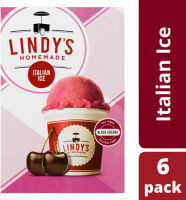
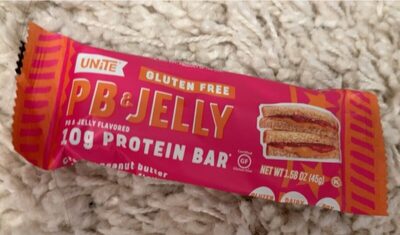
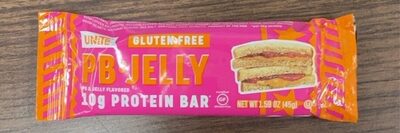

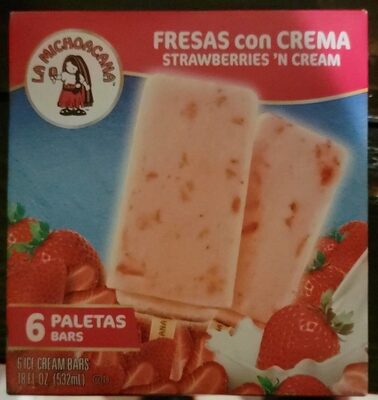
Learn more
Auto-generated content. This description was generated automatically and is pending editorial review. Inaccuracies are possible. Found a mistake? Contact us.