Red Cabbage Turmeric
What is Red Cabbage Turmeric?
Red cabbage turmeric is a natural food coloring made from red cabbage and turmeric root. The pigments from these plants are extracted and combined to create a stable colorant. This blend is used to provide a range of colors, often in the yellow to red spectrum, depending on the pH of the food product.
Is Red Cabbage Turmeric vegan?
Red Cabbage Turmeric is not animal-derived. Products that contain it can still include other animal-derived ingredients, so check the full ingredient list.
Is Red Cabbage Turmeric gluten-free?
It is derived from vegetables and does not contain gluten.
Is Red Cabbage Turmeric a major allergen?
Not a major allergen.
What is Red Cabbage Turmeric used for?
Manufacturers use red cabbage turmeric as a natural alternative to artificial colors.
Is Red Cabbage Turmeric safe?
Red cabbage turmeric is generally recognized as safe (GRAS) by the FDA when used as a food coloring.
Why it's used
Manufacturers use red cabbage turmeric as a natural alternative to artificial colors. It provides vibrant hues in various food products, including processed cereal products, dairy items, and baked goods. Its function is purely aesthetic, enhancing the visual appeal of foods.
Health notes
Red cabbage turmeric is generally recognized as safe (GRAS) by the FDA when used as a food coloring. It is derived from common food ingredients and is not associated with significant health concerns at typical consumption levels. Regulatory bodies like JECFA and EFSA have evaluated natural food colorings, and this blend is considered safe. There are no major controversies or significant health debates surrounding its use.
Allergen info
Not a major allergen. It is derived from vegetables and does not contain gluten.
Foods that contain Red Cabbage Turmeric
Compare products →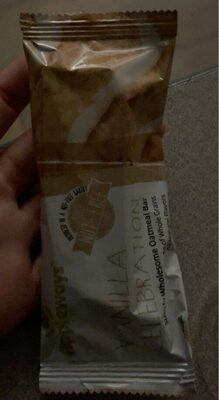 Darlington Cookie Company
Appleways Whole Grain 1.2 oz Soft Oatmeal Vanilla Celebration Bar, Individually Wrapped - Each
417kcal
6.0Protein
13.4Fat
68.5Carbs
Darlington Cookie Company
Appleways Whole Grain 1.2 oz Soft Oatmeal Vanilla Celebration Bars, Individually Wrapped - 216ct
417kcal
6.0Protein
13.4Fat
68.5Carbs
Darlington Cookie Company
Appleways Whole Grain 2.4 oz Soft Oatmeal Blueberry Bars, Individually Wrapped - 160ct
High in added sugars — 32% DV per serving
417kcal
6.0Protein
13.4Fat
68.5Carbs
Darlington Cookie Company
Appleways Whole Grain 1.2 oz Soft Oatmeal Vanilla Celebration Bar, Individually Wrapped - Each
417kcal
6.0Protein
13.4Fat
68.5Carbs
Darlington Cookie Company
Appleways Whole Grain 1.2 oz Soft Oatmeal Vanilla Celebration Bars, Individually Wrapped - 216ct
417kcal
6.0Protein
13.4Fat
68.5Carbs
Darlington Cookie Company
Appleways Whole Grain 2.4 oz Soft Oatmeal Blueberry Bars, Individually Wrapped - 160ct
High in added sugars — 32% DV per serving
417kcal
6.0Protein
13.4Fat
68.5Carbs
Learn more
Auto-generated content. This description was generated automatically and is pending editorial review. Inaccuracies are possible. Found a mistake? Contact us.