Red Edible Glitter
Auto-generated content. This description was generated automatically and is pending editorial review. Inaccuracies are possible. Found a mistake? Contact us.
What it is
Edible glitter is a decorative food ingredient that adds sparkle to foods. It is typically made from a combination of food-grade colorants, a binder like gum arabic or gelatin, and a shimmering agent such as mica-based food-grade pearlescent pigments or edible glitters made from sugar and corn syrup.
Why it's used
Manufacturers add edible glitter for visual appeal, making foods look more festive and attractive. It is commonly found in baked goods like cookies, cakes, and cupcakes, as well as in candies, chocolates, and beverages.
Health notes
Edible glitter is generally considered safe for consumption when made with approved food-grade ingredients. The FDA regulates food colorings and other components used in edible glitters. While generally recognized as safe (GRAS) for their intended use, excessive consumption of any food additive should be avoided. International bodies like JECFA have evaluated many food colorings, but specific evaluations for 'edible glitter' as a whole product may vary.
Allergen info
Edible glitter is not typically derived from major allergens. However, some formulations may use binders like gelatin, which is derived from animal collagen, or other ingredients that could potentially be processed in facilities handling allergens. Always check the product label for specific allergen warnings.
Products containing Red Edible Glitter
Compare products →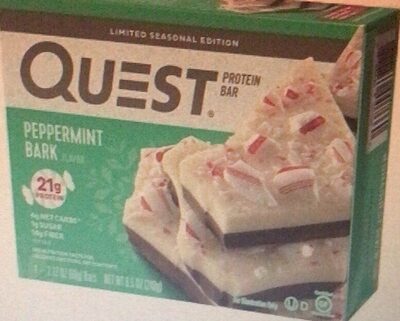 Quest Nutrition, LLC
Peppermint Bark Protein Bars, Peppermint Bark
High in saturated fat — 20% DV per serving
300kcal
35Protein
11.7Fat
36.7Carbs
Quest Nutrition, LLC
Peppermint Bark Protein Bars, Peppermint Bark
High in saturated fat — 20% DV per serving
300kcal
35Protein
11.7Fat
36.7Carbs
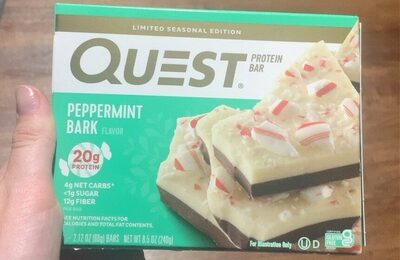 Quest Nutrition, LLC
Peppermint Bark Protein Bars, Peppermint Bark
High in saturated fat — 20% DV per serving
300kcal
35Protein
11.7Fat
36.7Carbs
Quest Nutrition, LLC
Peppermint Bark Protein Bars, Peppermint Bark
High in saturated fat — 20% DV per serving
300kcal
35Protein
11.7Fat
36.7Carbs
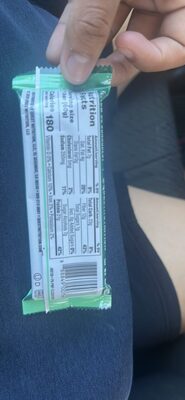 Quest Nutrition, LLC
Peppermint Bark Protein Bar, Peppermint Bark
High in saturated fat — 20% DV per serving
300kcal
35Protein
11.7Fat
38.3Carbs
Quest Nutrition, LLC
Peppermint Bark Protein Bar, Peppermint Bark
High in saturated fat — 20% DV per serving
300kcal
35Protein
11.7Fat
38.3Carbs