Red Hibiscus
What is Red Hibiscus?
Red hibiscus is a plant-based ingredient derived from the dried petals of the *Hibiscus sabdariffa* flower. The flowers are typically dried and then processed to extract their vibrant red color and tart flavor. It is commonly used as a natural food coloring and flavoring agent.
Is Red Hibiscus vegan?
Red Hibiscus is not animal-derived. Products that contain it can still include other animal-derived ingredients, so check the full ingredient list.
Is Red Hibiscus gluten-free?
It is also gluten-free.
Is Red Hibiscus a major allergen?
Red hibiscus is not derived from any of the 9 FDA major allergens.
What is Red Hibiscus used for?
Manufacturers add red hibiscus for its natural red color and tangy, fruity flavor.
Is Red Hibiscus safe?
Red hibiscus is generally recognized as safe (GRAS) by the FDA for use in food.
Why it's used
Manufacturers add red hibiscus for its natural red color and tangy, fruity flavor. It is often used in beverages like teas, aguas frescas, and powdered drink mixes, as well as in jams, jellies, and some desserts. Its tartness can also contribute to the overall flavor profile of a product.
Health notes
Red hibiscus is generally recognized as safe (GRAS) by the FDA for use in food. It is a source of anthocyanins, which are antioxidants. Research suggests hibiscus may have potential benefits, such as supporting healthy blood pressure, but more studies are needed. JECFA has evaluated hibiscus extracts. At typical dietary intakes, it is not associated with adverse health effects.
Allergen info
Red hibiscus is not derived from any of the 9 FDA major allergens. It is also gluten-free.
Foods that contain Red Hibiscus
Compare products →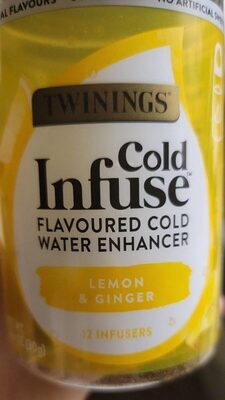
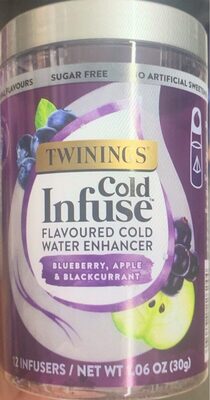
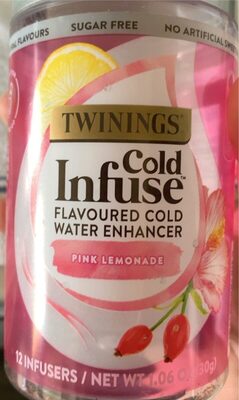
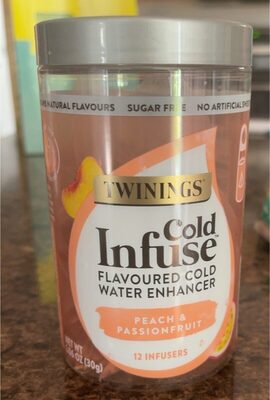
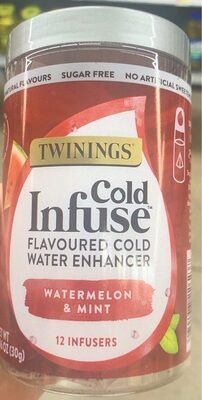
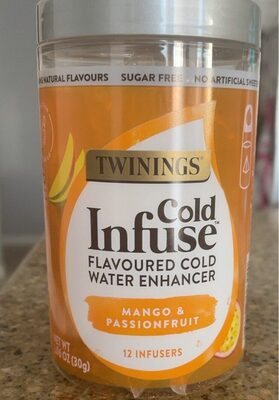
Auto-generated content. This description was generated automatically and is pending editorial review. Inaccuracies are possible. Found a mistake? Contact us.