Red No. 3
What is Red No. 3?
Red No. 3, also known as Erythrosine, is a synthetic color additive. It is a cherry-pink or red dye that is derived from petroleum. It is used to impart a red hue to various food products.
Is Red No. 3 vegan?
Red No. 3 is not animal-derived. Products that contain it can still include other animal-derived ingredients, so check the full ingredient list.
Is Red No. 3 a major allergen?
Not a major allergen.
What is Red No. 3 used for?
Manufacturers add Red No. 3 primarily to provide a red color to foods and beverages.
Is Red No. 3 safe?
In the United States, the FDA revoked the approval of Red No. 3 for use in food in January 2025, with manufacturers having until January 2027 to comply.
Why it's used
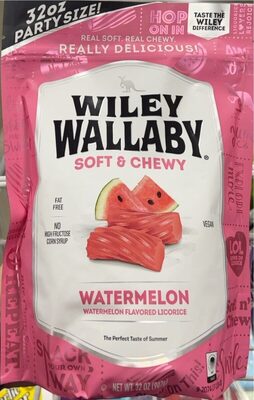
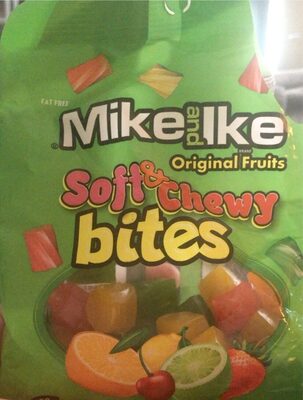
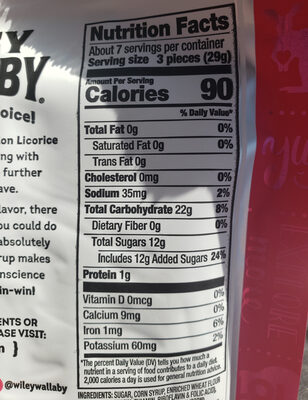
Manufacturers add Red No. 3 primarily to provide a red color to foods and beverages. It is commonly found in candies, cakes, snack cakes, and other processed foods where a vibrant red color is desired.
Health notes
In the United States, the FDA revoked the approval of Red No. 3 for use in food in January 2025, with manufacturers having until January 2027 to comply. This action was taken under the Delaney Clause due to evidence of it causing cancer in male rats, though the FDA stated this finding is not relevant to human risk. The European Food Safety Authority (EFSA) has evaluated Red No. 3 (E127) and established an acceptable daily intake. California's Food Safety Act (AB 418) also bans Red No. 3 in food from 2027.
Allergen info
Not a major allergen.
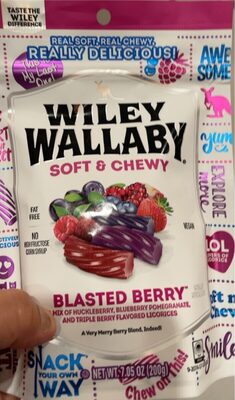
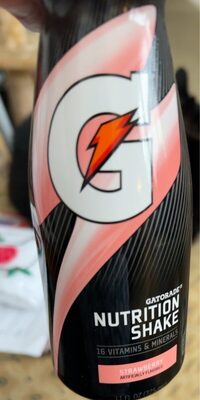
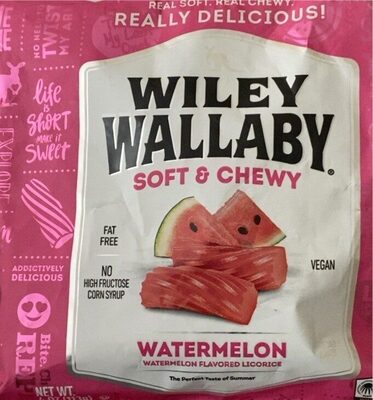
Foods that contain Red No. 3
Compare products →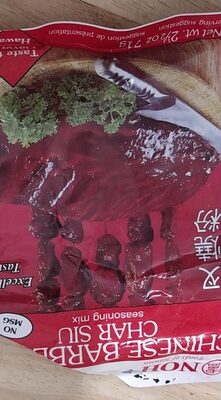

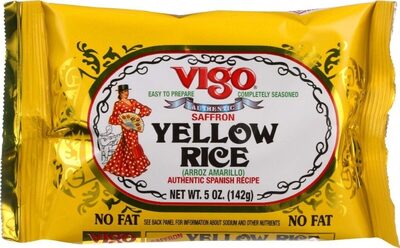
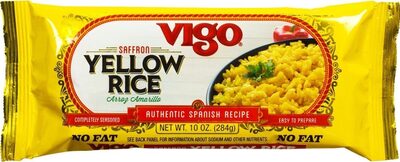
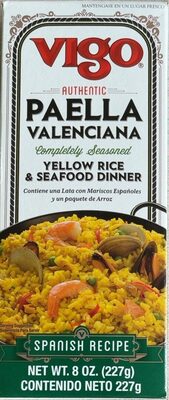
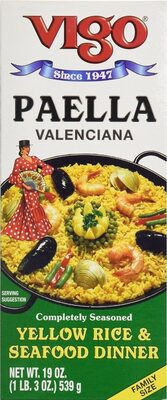
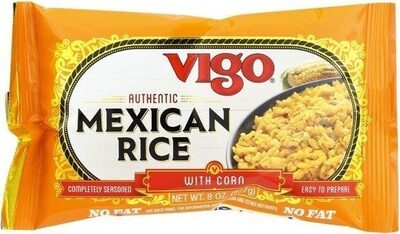
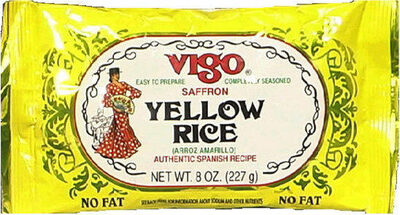 VIGO
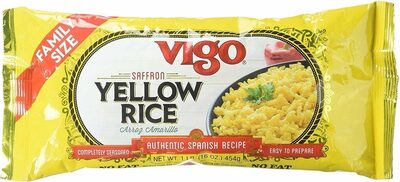
Vigo, Saffron Yellow Rice
High in sodium — 32% DV per serving
339kcal
8.9Protein
0Fat
76.8Carbs
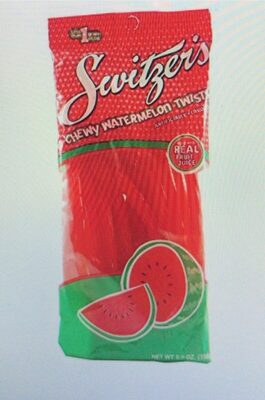




Learn more
Auto-generated content. This description was generated automatically and is pending editorial review. Inaccuracies are possible. Found a mistake? Contact us.