Red Radish
What is Red Radish?
Red radish is a root vegetable known for its vibrant red color and crisp texture. It is commonly grown and consumed worldwide, including in the United States. The extract is made by processing the radish root to isolate its coloring compounds.
Is Red Radish vegan?
Red Radish is not animal-derived. Products that contain it can still include other animal-derived ingredients, so check the full ingredient list.
Is Red Radish a major allergen?
Not a major allergen.
What is Red Radish used for?
Red radish extract is used as a natural food coloring, providing a red or pink hue to various products.
Is Red Radish safe?
Red radish extract is generally recognized as safe (GRAS) by the FDA for use as a food coloring.
Why it's used
Red radish extract is used as a natural food coloring, providing a red or pink hue to various products. Manufacturers add it to foods like candies, beverages, and baked goods to enhance their visual appeal.
Health notes
Red radish extract is generally recognized as safe (GRAS) by the FDA for use as a food coloring. It is primarily composed of natural pigments and is not associated with significant health concerns when consumed in typical amounts. International bodies like EFSA have also evaluated food colorings, but specific evaluations for red radish extract may vary. Evidence does not suggest adverse effects from its use as a food colorant.
Allergen info
Not a major allergen. Red radish is a vegetable and is not derived from any of the nine FDA major allergens.
Foods that contain Red Radish
Compare products →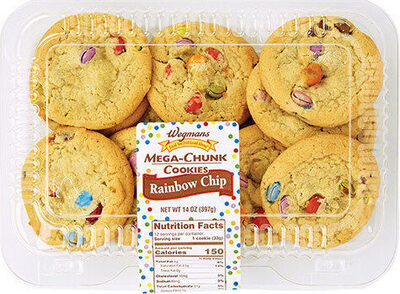
 Edy'S
Grand Ice Cream
High in saturated fat — 20% DV per serving
215kcal
3.1Protein
9.2Fat
29.2Carbs












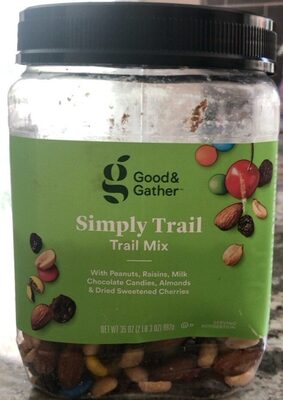
Learn more
Auto-generated content. This description was generated automatically and is pending editorial review. Inaccuracies are possible. Found a mistake? Contact us.