Red Root Amaranth
What is Red Root Amaranth?
Red root amaranth is a plant, scientifically known as *Amaranthus cruentus*. It is cultivated for its edible seeds and leaves. The vibrant red color comes from pigments found in the plant's leaves and flowers.
Is Red Root Amaranth vegan?
Red Root Amaranth is not animal-derived. Products that contain it can still include other animal-derived ingredients, so check the full ingredient list.
Is Red Root Amaranth gluten-free?
It is also naturally gluten-free.
Is Red Root Amaranth a major allergen?
Amaranth is not one of the nine major allergens recognized by the FDA.
What is Red Root Amaranth used for?
Red root amaranth is primarily used as a natural food coloring, providing a deep red hue.
Is Red Root Amaranth safe?
Red root amaranth is generally recognized as safe (GRAS) by the FDA for use as a food ingredient.
Why it's used
Red root amaranth is primarily used as a natural food coloring, providing a deep red hue. It can be found in beverages, desserts, and other food products where a natural red color is desired. The plant's seeds and leaves are also sometimes used in herbal supplements and teas.
Health notes
Red root amaranth is generally recognized as safe (GRAS) by the FDA for use as a food ingredient. It is a source of various nutrients, including fiber, protein, and minerals. Regulatory bodies like EFSA have evaluated amaranth and its components, but specific health claims related to its consumption at typical dietary levels are not established. Research is ongoing into the potential health benefits of amaranth compounds.
Allergen info
Amaranth is not one of the nine major allergens recognized by the FDA. It is also naturally gluten-free.
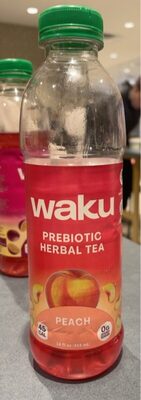
Foods that contain Red Root Amaranth
Compare products →

Learn more
Auto-generated content. This description was generated automatically and is pending editorial review. Inaccuracies are possible. Found a mistake? Contact us.