Redcurrant Juice
What is Redcurrant Juice?
Redcurrant juice comes from the small, tart, red berries of the Ribes rubrum shrub, native to Europe. The berries are typically pressed to extract their juice, which is then often filtered and may be concentrated.
Is Redcurrant Juice vegan?
Redcurrant Juice is not animal-derived. Products that contain it can still include other animal-derived ingredients, so check the full ingredient list.
Is Redcurrant Juice gluten-free?
It does not contain gluten.
Is Redcurrant Juice a major allergen?
Redcurrant juice is not derived from any of the 9 major FDA allergens.
What is Redcurrant Juice used for?
Redcurrant juice is used as a flavoring and coloring agent in foods.
Is Redcurrant Juice safe?
Redcurrant juice is generally recognized as safe (GRAS) by the FDA when used as a food ingredient.
Why it's used
Redcurrant juice is used as a flavoring and coloring agent in foods. Its tartness and vibrant red color make it a popular addition to jams, jellies, candies, and beverages.
Health notes
Redcurrant juice is generally recognized as safe (GRAS) by the FDA when used as a food ingredient. It is a source of vitamin C and antioxidants. International bodies like EFSA and JECFA have evaluated various fruit juices, and while specific evaluations for redcurrant juice are not widely publicized, it is considered safe at typical consumption levels. No significant health controversies are associated with its consumption.
Allergen info
Redcurrant juice is not derived from any of the 9 major FDA allergens. It does not contain gluten.
Foods that contain Redcurrant Juice
Compare products →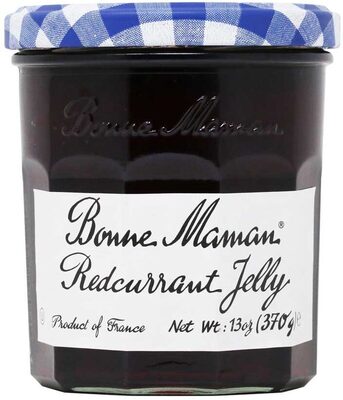
Auto-generated content. This description was generated automatically and is pending editorial review. Inaccuracies are possible. Found a mistake? Contact us.