Rhubarb Puree
What is Rhubarb Puree?
Rhubarb puree is made from the stalks of the rhubarb plant, a vegetable grown in temperate climates. The stalks are typically cooked down with sugar and water to create a smooth, thick consistency.
Is Rhubarb Puree vegan?
Rhubarb Puree is not animal-derived. Products that contain it can still include other animal-derived ingredients, so check the full ingredient list.
Is Rhubarb Puree gluten-free?
It does not contain gluten.
Is Rhubarb Puree a major allergen?
Rhubarb puree is not derived from any of the 9 FDA major allergens.
What is Rhubarb Puree used for?
Manufacturers use rhubarb puree as a flavoring and coloring agent, adding a tart, fruity taste and pink hue to foods.
Is Rhubarb Puree safe?
Rhubarb puree is generally recognized as safe (GRAS) by the FDA when used as a food ingredient.
Why it's used
Manufacturers use rhubarb puree as a flavoring and coloring agent, adding a tart, fruity taste and pink hue to foods. It is commonly found in yogurts, ice creams, fruit bars, and baked goods, often paired with sweeter fruits like strawberries.
Health notes
Rhubarb puree is generally recognized as safe (GRAS) by the FDA when used as a food ingredient. It contains vitamins and minerals, but also oxalic acid, which can be harmful in very large amounts. JECFA and EFSA have evaluated rhubarb and its components. Evidence on specific health effects from typical dietary intake is limited.
Allergen info
Rhubarb puree is not derived from any of the 9 FDA major allergens. It does not contain gluten.
Foods that contain Rhubarb Puree
Compare products →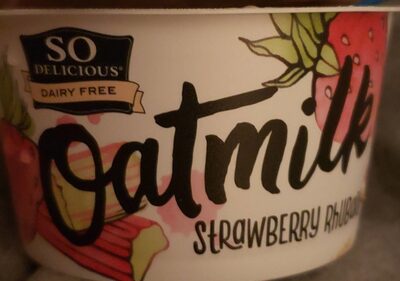
Auto-generated content. This description was generated automatically and is pending editorial review. Inaccuracies are possible. Found a mistake? Contact us.