Rice Syrup Powder
What is Rice Syrup Powder?
Rice syrup powder is a sweetener made from cooked rice that has been fermented to break down its starches into simpler sugars. The resulting liquid is then dried into a powder. It is a complex carbohydrate source, primarily glucose and maltose.
Is Rice Syrup Powder vegan?
Rice Syrup Powder is not animal-derived. Products that contain it can still include other animal-derived ingredients, so check the full ingredient list.
Is Rice Syrup Powder gluten-free?
It does not contain gluten.
Is Rice Syrup Powder a major allergen?
Rice is not one of the nine major allergens recognized by the FDA.
What is Rice Syrup Powder used for?
Manufacturers use rice syrup powder as a sweetener and texturizer in foods.
Is Rice Syrup Powder safe?
Rice syrup powder is generally recognized as safe (GRAS) by the FDA when used as a food ingredient.
Why it's used
Manufacturers use rice syrup powder as a sweetener and texturizer in foods. It can also help with browning and provide a chewy texture. It is often found in baked goods, confectionery, and snack bars.
Health notes
Rice syrup powder is generally recognized as safe (GRAS) by the FDA when used as a food ingredient. It is a source of carbohydrates and sugars, and like other caloric sweeteners, excessive intake can contribute to caloric overconsumption. International bodies like JECFA have evaluated sweeteners of this type. Evidence does not suggest adverse health effects from typical consumption levels.
Allergen info
Rice is not one of the nine major allergens recognized by the FDA. It does not contain gluten.
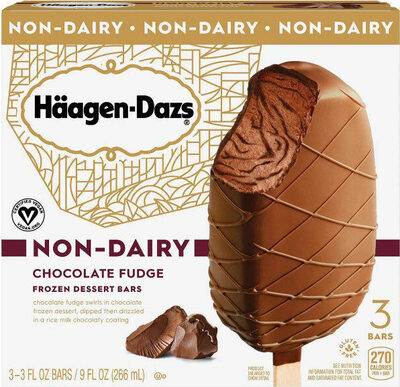
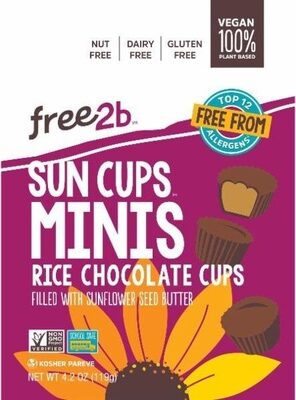
Foods that contain Rice Syrup Powder
Compare products →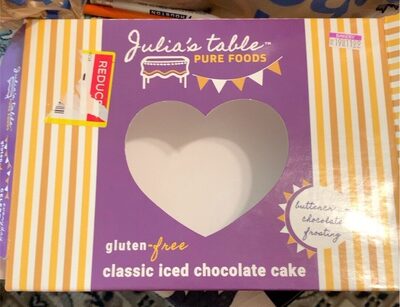
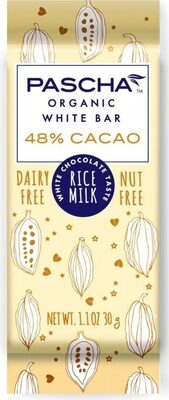 Pascha
Organic White Bar
High in saturated fat — 45% DV per serving
633kcal
3.3Protein
50Fat
50Carbs
Learn more
Auto-generated content. This description was generated automatically and is pending editorial review. Inaccuracies are possible. Found a mistake? Contact us.