Roasted Artichokes
What is Roasted Artichokes?
Artichokes are a type of thistle with edible flower buds. Roasted artichokes are prepared by cooking whole or cut artichoke hearts in an oven or grill, often with oil, herbs, and spices. This cooking method gives them a tender texture and a slightly smoky, nutty flavor.
Is Roasted Artichokes vegan?
Roasted Artichokes is not animal-derived. Products that contain it can still include other animal-derived ingredients, so check the full ingredient list.
Is Roasted Artichokes gluten-free?
They do not contain gluten.
Is Roasted Artichokes a major allergen?
Artichokes are not one of the nine major FDA allergens.
What is Roasted Artichokes used for?
Roasted artichokes are used to add a savory, slightly bitter flavor and a tender texture to dishes.
Is Roasted Artichokes safe?
Artichokes are a vegetable and are generally recognized as safe (GRAS) by the FDA.
Why it's used
Roasted artichokes are used to add a savory, slightly bitter flavor and a tender texture to dishes. They are commonly found in frozen meals, dips, pasta dishes, and salads. Manufacturers use them to enhance the overall taste and add a vegetable component to packaged foods.
Health notes
Artichokes are a vegetable and are generally recognized as safe (GRAS) by the FDA. They are a source of fiber, vitamins, and minerals. While specific health claims are not FDA-approved, artichokes are part of a healthy diet. No major international bodies like JECFA or EFSA have specific evaluations for roasted artichokes as a food additive, as they are a whole food ingredient.
Allergen info
Artichokes are not one of the nine major FDA allergens. They do not contain gluten.
Foods that contain Roasted Artichokes
Compare products →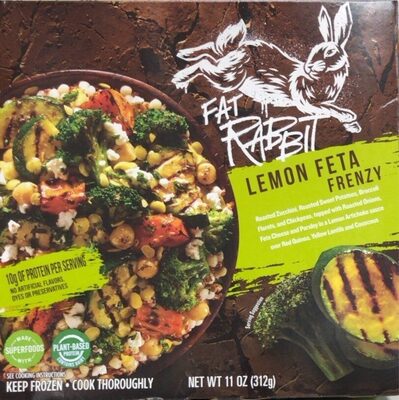 Kraft Heinz Foods Company
Lemon Feta Frenzy Roasted Zucchini, Roasted Sweet Potatoes, Broccoli Florets, And Chickpeas, Topped With Roasted Onions, Feta And Parsley In A Lemon Artichoke Sauce Over Red Quinoa, Yellow Lentils And Couscous, Lemon Feta Frenzy
High in sodium — 20% DV per serving
74kcal
3.2Protein
1.4Fat
12.8Carbs
Kraft Heinz Foods Company
Lemon Feta Frenzy Roasted Zucchini, Roasted Sweet Potatoes, Broccoli Florets, And Chickpeas, Topped With Roasted Onions, Feta And Parsley In A Lemon Artichoke Sauce Over Red Quinoa, Yellow Lentils And Couscous, Lemon Feta Frenzy
High in sodium — 20% DV per serving
74kcal
3.2Protein
1.4Fat
12.8Carbs
 Target Stores
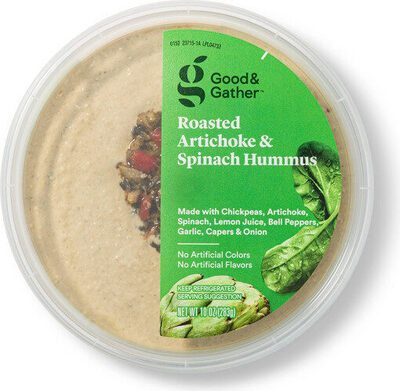
Roasted Artichoke & Spinach Hummus, Roasted Artichoke & Spinach
267kcal
6.7Protein
20Fat
16.7Carbs
Kraft Heinz Foods Company
Smart Made, Mediterranean-Style Chicken Bowl
High in sodium — 22% DV per serving
High in saturated fat — 20% DV per serving
102kcal
7.5Protein
3.5Fat
11.4Carbs
Kraft Heinz Foods Company
Mediterranean-Style Chicken Grilled White Meat Chicken Chickpeas, Kale, And Roasted Vegetables Over Quinoa And Topped With Feta Cheese Bowl, Mediterranean-Style Chicken
High in sodium — 27% DV per serving
98kcal
7.8Protein
3.1Fat
10.2Carbs
Target Stores
Roasted Artichoke & Spinach Hummus, Roasted Artichoke & Spinach
267kcal
6.7Protein
20Fat
16.7Carbs
Kraft Heinz Foods Company
Smart Made, Mediterranean-Style Chicken Bowl
High in sodium — 22% DV per serving
High in saturated fat — 20% DV per serving
102kcal
7.5Protein
3.5Fat
11.4Carbs
Kraft Heinz Foods Company
Mediterranean-Style Chicken Grilled White Meat Chicken Chickpeas, Kale, And Roasted Vegetables Over Quinoa And Topped With Feta Cheese Bowl, Mediterranean-Style Chicken
High in sodium — 27% DV per serving
98kcal
7.8Protein
3.1Fat
10.2Carbs
Auto-generated content. This description was generated automatically and is pending editorial review. Inaccuracies are possible. Found a mistake? Contact us.