Roasted Chicory
What is Roasted Chicory?
Roasted chicory is a plant root that is roasted and ground. It comes from the chicory plant, a relative of the dandelion. The roasting process gives it a flavor similar to coffee.
Is Roasted Chicory vegan?
Roasted Chicory is not animal-derived. Products that contain it can still include other animal-derived ingredients, so check the full ingredient list.
Is Roasted Chicory gluten-free?
It does not contain gluten.
Is Roasted Chicory a major allergen?
Chicory is not one of the 9 FDA major allergens.
What is Roasted Chicory used for?
Manufacturers add roasted chicory as a flavor ingredient, often to mimic coffee or add a roasted note.
Is Roasted Chicory safe?
In the U.S., roasted chicory is generally recognized as safe (GRAS) by the FDA for its intended use as a food ingredient.
Why it's used
Manufacturers add roasted chicory as a flavor ingredient, often to mimic coffee or add a roasted note. It is commonly found in coffee substitutes, herbal teas, and some powdered drink mixes.
Health notes
In the U.S., roasted chicory is generally recognized as safe (GRAS) by the FDA for its intended use as a food ingredient. It is a source of inulin, a type of dietary fiber that may support gut health. International bodies like JECFA have evaluated chicory root, but no specific numeric limits are typically noted in public summaries.
Allergen info
Chicory is not one of the 9 FDA major allergens. It does not contain gluten.
Foods that contain Roasted Chicory
Compare products →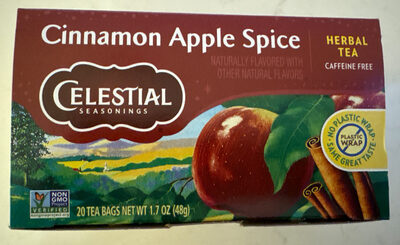
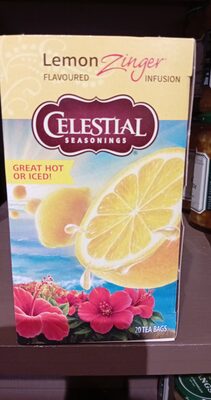
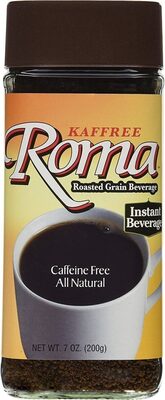
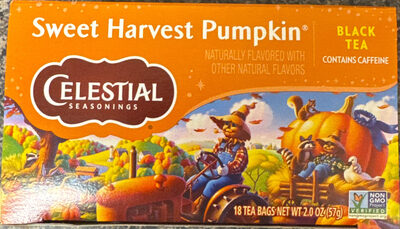
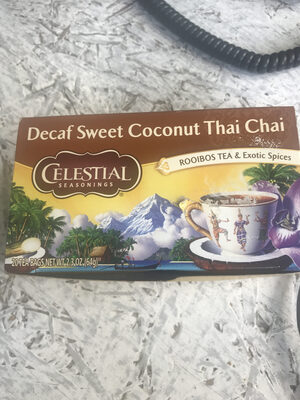
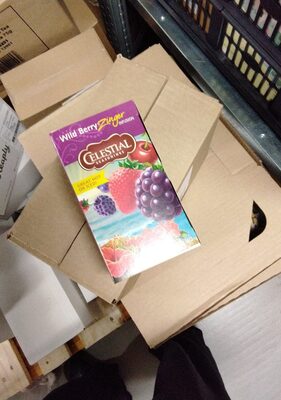
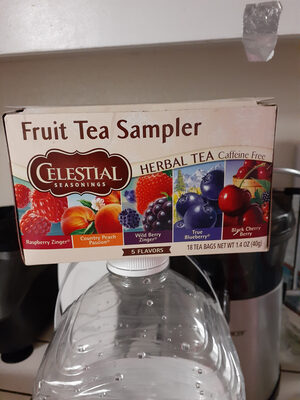
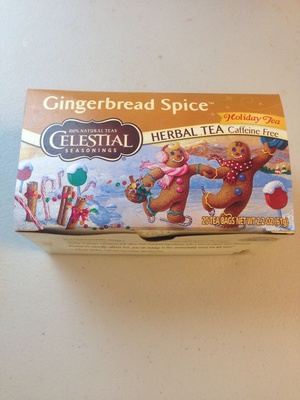
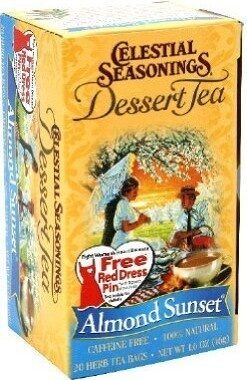
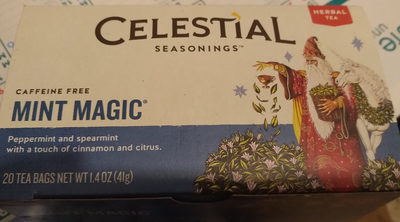 Celestial Seasonings
Mint Magic Caffeine Free Herbal Tea Bags, Mint Magic
0kcal
0Protein
0Fat
0Carbs
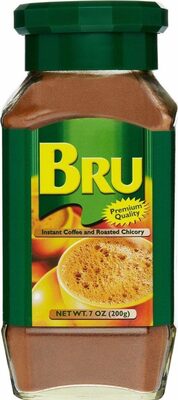



Learn more
Auto-generated content. This description was generated automatically and is pending editorial review. Inaccuracies are possible. Found a mistake? Contact us.