Roasted Pineapple
Auto-generated content. This description was generated automatically and is pending editorial review. Inaccuracies are possible. Found a mistake? Contact us.
What it is
Roasted pineapple is made by heating fresh pineapple until it caramelizes and develops a deeper, sweeter flavor. This process intensifies the natural sugars and creates a slightly smoky, concentrated taste. It is often used to add a complex sweet and savory note to dishes.
Why it's used
Manufacturers use roasted pineapple to enhance the flavor profile of various foods, adding a sweet, tangy, and slightly caramelized taste. It is frequently found in sauces, marinades, dips, and glazes, particularly those with Asian or Latin American influences. It can also be incorporated into baked goods or savory dishes for a fruity complexity.
Health notes
Pineapple is a fruit and is generally recognized as safe (GRAS) by the FDA when used as a food ingredient. It is a source of vitamins, minerals, and fiber. Regulatory bodies like JECFA and EFSA have evaluated various food components, but specific evaluations for 'roasted pineapple' as a distinct ingredient are not typically highlighted. At typical consumption levels as part of a balanced diet, it is not associated with adverse health effects.
Allergen info
Pineapple is not one of the nine major allergens recognized by the FDA. It does not contain gluten.
Products containing Roasted Pineapple
Compare products →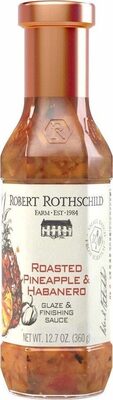 Cincinnati Preserving Company
Roasted Pineapple & Habanero Glaze & Finishing Sauce, Roasted Pineapple & Habanero
High in added sugars — 32% DV per serving
194kcal
0Protein
0Fat
50Carbs
Meijer, Inc.
Medium Grilled Pineapple Chipotle Salsa, Medium Grilled Pineapple Chipotle
54kcal
0Protein
0Fat
7.1Carbs
Cincinnati Preserving Company
Roasted Pineapple & Habanero Glaze & Finishing Sauce, Roasted Pineapple & Habanero
High in added sugars — 32% DV per serving
194kcal
0Protein
0Fat
50Carbs
Meijer, Inc.
Medium Grilled Pineapple Chipotle Salsa, Medium Grilled Pineapple Chipotle
54kcal
0Protein
0Fat
7.1Carbs
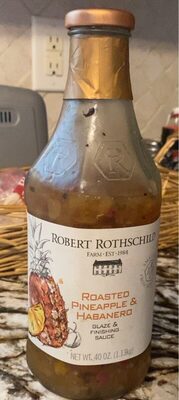 Cincinnati Preserving Company
Roasted Pineapple & Habanero Glaze & Finishing Sauce, Roasted Pineapple & Habanero
High in added sugars — 32% DV per serving
194kcal
0Protein
0Fat
50Carbs
Cincinnati Preserving Company
Roasted Pineapple & Habanero Glaze & Finishing Sauce, Roasted Pineapple & Habanero
High in added sugars — 32% DV per serving
194kcal
0Protein
0Fat
50Carbs
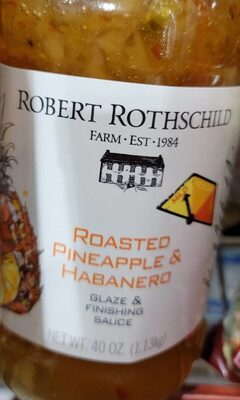 Cincinnati Preserving Company
Mild Roasted Pineapple & Habanero Glaze & Finishing Sauce, Mild Roasted Pineapple & Habanero
High in added sugars — 32% DV per serving
194kcal
0Protein
0Fat
50Carbs
Wakefern Food Corporation
Medium Pineapple Chipotle Salsa, Medium Pineapple Chipotle
62kcal
0Protein
0Fat
15.6Carbs
Terrapin Ridge Farms LLC
Terrapin Ridge Farms, Roasted Pineapple Habanero Dip
167kcal
0Protein
0Fat
50Carbs
Cincinnati Preserving Company
Mild Roasted Pineapple & Habanero Glaze & Finishing Sauce, Mild Roasted Pineapple & Habanero
High in added sugars — 32% DV per serving
194kcal
0Protein
0Fat
50Carbs
Wakefern Food Corporation
Medium Pineapple Chipotle Salsa, Medium Pineapple Chipotle
62kcal
0Protein
0Fat
15.6Carbs
Terrapin Ridge Farms LLC
Terrapin Ridge Farms, Roasted Pineapple Habanero Dip
167kcal
0Protein
0Fat
50Carbs