Roasted Portobello Mushrooms
What is Roasted Portobello Mushrooms?
Portobello mushrooms are large, mature cremini mushrooms. They are typically grown in controlled environments and harvested when fully developed, giving them a meaty texture and rich, earthy flavor. Roasting intensifies these characteristics.
Is Roasted Portobello Mushrooms vegan?
Roasted Portobello Mushrooms is not animal-derived. Products that contain it can still include other animal-derived ingredients, so check the full ingredient list.
Is Roasted Portobello Mushrooms gluten-free?
They are also naturally gluten-free.
Is Roasted Portobello Mushrooms a major allergen?
Portobello mushrooms are not derived from any of the nine FDA major allergens.
What is Roasted Portobello Mushrooms used for?
Roasted portobello mushrooms are used to add a savory, umami flavor and a hearty texture to dishes.
Is Roasted Portobello Mushrooms safe?
Portobello mushrooms are a source of vitamins, minerals, and fiber.
Why it's used
Roasted portobello mushrooms are used to add a savory, umami flavor and a hearty texture to dishes. They are often found in frozen meals, sauces, and appetizers, serving as a meat substitute or a flavorful vegetable component.
Health notes
Portobello mushrooms are a source of vitamins, minerals, and fiber. They are generally recognized as safe (GRAS) by the FDA for use as a food ingredient. International bodies like EFSA have evaluated mushrooms and their components. No specific health concerns are associated with typical consumption levels.
Allergen info
Portobello mushrooms are not derived from any of the nine FDA major allergens. They are also naturally gluten-free.
Foods that contain Roasted Portobello Mushrooms
Compare products →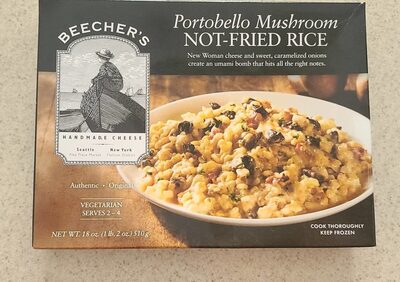
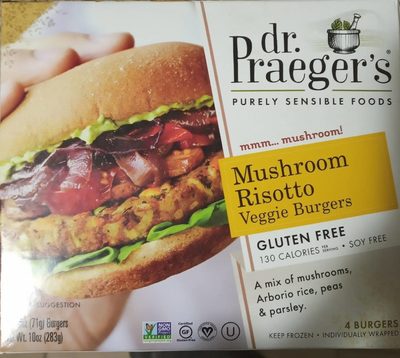
Auto-generated content. This description was generated automatically and is pending editorial review. Inaccuracies are possible. Found a mistake? Contact us.