Rose Flavor
What is Rose Flavor?
Rose flavor is a flavoring agent that mimics the scent and taste of rose petals. It can be derived from natural sources like rose essential oil or created synthetically. The flavor is often achieved through a blend of chemical compounds that replicate the complex aroma of roses.
Is Rose Flavor gluten-free?
It does not contain gluten.
Is Rose Flavor a major allergen?
Rose flavor is not derived from any of the nine FDA major allergens.
What is Rose Flavor used for?
Manufacturers use rose flavor to add a floral, sweet, and aromatic note to a variety of foods and beverages.
Is Rose Flavor safe?
Rose flavorings are generally recognized as safe (GRAS) by the FDA when used as flavoring agents.
Why it's used
Manufacturers use rose flavor to add a floral, sweet, and aromatic note to a variety of foods and beverages. It is commonly found in confectionery, baked goods, dairy products like yogurt, and beverages.
Health notes
Rose flavorings are generally recognized as safe (GRAS) by the FDA when used as flavoring agents. International bodies like JECFA have evaluated many flavoring substances, but specific evaluations for 'rose flavor' as a whole may vary. At typical consumption levels, rose flavor is not associated with adverse health effects. There are no widespread controversies regarding its use in food.
Allergen info
Rose flavor is not derived from any of the nine FDA major allergens. It does not contain gluten.
Foods that contain Rose Flavor
Compare products →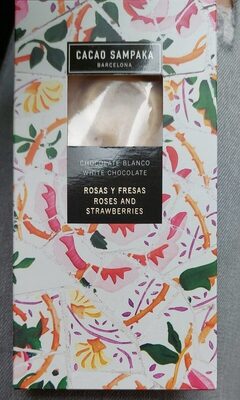

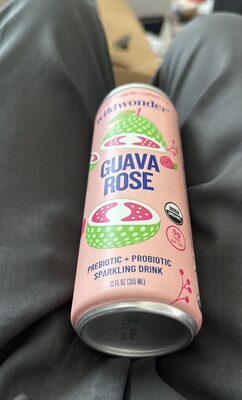
Learn more
Auto-generated content. This description was generated automatically and is pending editorial review. Inaccuracies are possible. Found a mistake? Contact us.