Rose Oil
Auto-generated content. This description was generated automatically and is pending editorial review. Inaccuracies are possible. Found a mistake? Contact us.
What it is
Rose oil is a fragrant oil derived from the petals of various species of roses, most commonly the Damask rose (Rosa damascena) and the cabbage rose (Rosa centifolia). It is produced through steam distillation or solvent extraction of rose petals, yielding a concentrated, aromatic essential oil.
Why it's used
Rose oil is primarily used as a flavoring agent and fragrance in the food industry. Its delicate floral scent and taste are often added to beverages like sodas and teas, as well as confectionery and baked goods, to impart a distinct rose flavor.
Health notes
In the United States, rose oil is generally recognized as safe (GRAS) by the FDA for use as a flavoring substance. International bodies like JECFA have evaluated rose oil and its components. At typical consumption levels found in food, it is not associated with adverse health effects. Research into its potential antioxidant and anti-inflammatory properties is ongoing, but more studies are needed to confirm these effects.
Allergen info
Rose oil is not derived from any of the nine FDA major allergens. It does not contain gluten.
Products containing Rose Oil
Compare products →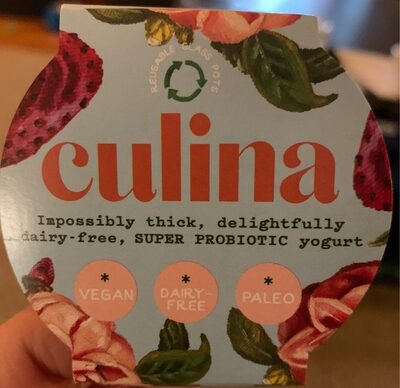 Eat Real Food
Strawberry Rose Plant Based Yogurt, Strawberry
High in saturated fat — 85% DV per serving
155kcal
1.4Protein
13.4Fat
7.8Carbs
Eat Real Food
Strawberry Rose Plant Based Yogurt, Strawberry
High in saturated fat — 85% DV per serving
155kcal
1.4Protein
13.4Fat
7.8Carbs
 Q-Tonic LLC
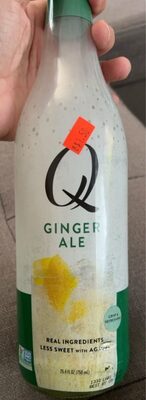
Ginger Ale, Ginger
High in added sugars — 30% DV per serving
30kcal
0Protein
0Fat
6.8Carbs
Q-Tonic LLC
Ginger Ale, Ginger
High in added sugars — 30% DV per serving
30kcal
0Protein
0Fat
6.8Carbs