Rose
What is Rose?
Rose refers to the flower of the rose plant (Rosa genus). Rose petals are often used to create extracts, flavorings, and colorings. They are typically harvested and then processed through methods like drying or distillation to capture their aromatic and flavorful compounds.
Is Rose vegan?
Rose is not animal-derived. Products that contain it can still include other animal-derived ingredients, so check the full ingredient list.
Is Rose gluten-free?
It does not contain gluten.
Is Rose a major allergen?
Rose is not one of the nine FDA major allergens.
What is Rose used for?
Rose is primarily used as a flavoring agent and for its natural color.
Is Rose safe?
Rose extract and rose water are generally recognized as safe (GRAS) by the FDA for use in food.
Why it's used
Rose is primarily used as a flavoring agent and for its natural color. It imparts a distinct floral aroma and taste to foods and beverages. It is commonly found in baked goods, jams, jellies, candies, teas, and some alcoholic and non-alcoholic drinks.
Health notes
Rose extract and rose water are generally recognized as safe (GRAS) by the FDA for use in food. They are used in small amounts for flavoring. International bodies like JECFA have evaluated rose products, but no specific health concerns have been widely reported at typical consumption levels. Some traditional medicine uses rose for various ailments, but scientific evidence for these claims is often limited.
Allergen info
Rose is not one of the nine FDA major allergens. It does not contain gluten.
Foods that contain Rose
Compare products →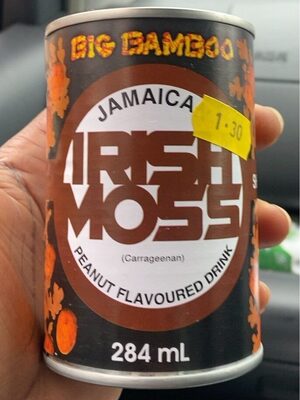
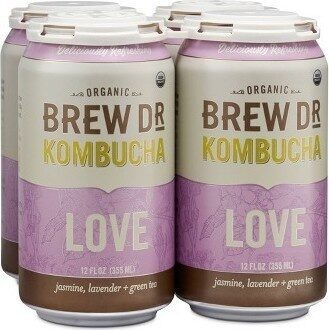
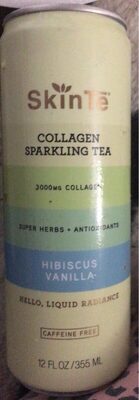
Learn more
Auto-generated content. This description was generated automatically and is pending editorial review. Inaccuracies are possible. Found a mistake? Contact us.