Rosemary And Sage
Auto-generated content. This description was generated automatically and is pending editorial review. Inaccuracies are possible. Found a mistake? Contact us.
What it is
Rosemary and sage are common herbs with distinct aromatic qualities. They are derived from the leaves of the *Rosmarinus officinalis* and *Salvia officinalis* plants, respectively. The leaves are typically dried and can be used whole, crushed, or ground.
Why it's used
Rosemary and sage are primarily used to add flavor to a wide variety of foods. They are frequently found in savory dishes, including meats, poultry, stuffings, sauces, and bread. Manufacturers use them as natural flavorings to enhance the taste profile of products like seasoning blends, marinades, and processed meats.
Health notes
Rosemary and sage are generally recognized as safe (GRAS) by the FDA when used as flavoring agents. These herbs contain various compounds that have been studied for potential antioxidant and anti-inflammatory properties. Regulatory bodies like EFSA have evaluated the safety of rosemary extract as a food additive. Evidence regarding specific health benefits or risks at typical dietary intake levels is still under review, and more research is needed.
Allergen info
Rosemary and sage are not among the nine major allergens identified by the FDA. They do not contain gluten.
Products containing Rosemary And Sage
Compare products →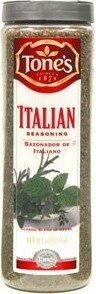 B&G Foods North America, Inc.
Italian Seasoning Blend
0kcal
0Protein
0Fat
0Carbs
B. Robert's Foods, Inc.
Italian Sausage With Pasta And Meat Sauce, Italian
High in sodium — 27% DV per serving
High in saturated fat — 35% DV per serving
167kcal
7.9Protein
8.8Fat
12.8Carbs
Spice It Foods, Inc.
Italian Seasoning, Italian
0kcal
0Protein
0Fat
0Carbs
B&G Foods North America, Inc.
Italian Seasoning Blend
0kcal
0Protein
0Fat
0Carbs
B. Robert's Foods, Inc.
Italian Sausage With Pasta And Meat Sauce, Italian
High in sodium — 27% DV per serving
High in saturated fat — 35% DV per serving
167kcal
7.9Protein
8.8Fat
12.8Carbs
Spice It Foods, Inc.
Italian Seasoning, Italian
0kcal
0Protein
0Fat
0Carbs