Rosemary Leaf
Auto-generated content. This description was generated automatically and is pending editorial review. Inaccuracies are possible. Found a mistake? Contact us.
What it is
Rosemary is an aromatic herb native to the Mediterranean region. The leaves of the rosemary plant (Rosmarinus officinalis) are used fresh or dried as a culinary herb. It is also processed to extract its essential oil, which contains compounds like carnosic acid and rosmarinic acid.
Why it's used
Rosemary is primarily used as a flavoring agent in a wide variety of savory dishes, including meats, soups, sauces, and baked goods. The extract can also act as a natural antioxidant, helping to preserve the freshness and color of foods, especially those containing fats and oils.
Health notes
In the US, rosemary and its extracts are generally recognized as safe (GRAS) by the FDA for use as a flavoring and antioxidant. Scientific bodies like the European Food Safety Authority (EFSA) have evaluated rosemary extracts, noting their antioxidant properties. While generally considered safe at typical consumption levels, some studies have explored potential health effects of rosemary compounds, but evidence is mixed and more research is needed.
Allergen info
Rosemary is not one of the nine major allergens identified by the FDA. It does not contain gluten.
Products containing Rosemary Leaf
Compare products →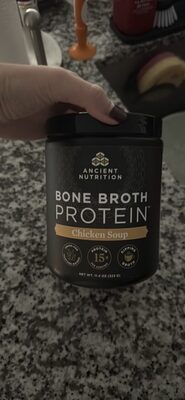 Ancient Brands, LLC
Bone Broth Protein 15 G, Chicken Soup, Chicken Soup
419kcal
69.8Protein
9.3Fat
4.7Carbs
Ancient Brands, LLC
Bone Broth Protein 15 G, Chicken Soup, Chicken Soup
419kcal
69.8Protein
9.3Fat
4.7Carbs
Ancient Brands, LLC
Bone Broth Protein 15 G, Chicken Soup, Chicken Soup
419kcal
69.8Protein
9.3Fat
4.7Carbs
Ancient Brands, LLC
Bone Broth Protein 15 G, Chicken Soup, Chicken Soup
419kcal
69.8Protein
9.3Fat
4.7Carbs