Rowan
What is Rowan?
Rowan, also known as mountain ash, is the fruit of several species of trees in the genus Sorbus. The berries are small, round, and typically red or orange. They are harvested from wild trees or cultivated varieties and are often processed into juices, jams, or dried for later use.
Is Rowan vegan?
Rowan is not animal-derived. Products that contain it can still include other animal-derived ingredients, so check the full ingredient list.
Is Rowan gluten-free?
It does not contain gluten.
Is Rowan a major allergen?
Rowan is not one of the 9 FDA major allergens.
What is Rowan used for?
Rowan berries are primarily used for their tart, slightly bitter flavor, often in jams, jellies, and liqueurs.
Is Rowan safe?
Rowan berries are generally recognized as safe (GRAS) by the FDA when used as a food ingredient.
Why it's used
Rowan berries are primarily used for their tart, slightly bitter flavor, often in jams, jellies, and liqueurs. They can add a unique fruity note to beverages like teas and powdered drink mixes. Their natural pectin content can also help thicken jams and jellies.
Health notes
Rowan berries are generally recognized as safe (GRAS) by the FDA when used as a food ingredient. They contain vitamins and antioxidants, though specific health benefits at typical consumption levels are not well-established. The Joint FAO/WHO Expert Committee on Food Additives (JECFA) has evaluated rowan berry extracts, but no specific ADI was set. Evidence regarding potential health effects is limited and not considered controversial.
Allergen info
Rowan is not one of the 9 FDA major allergens. It does not contain gluten.
Foods that contain Rowan
Compare products →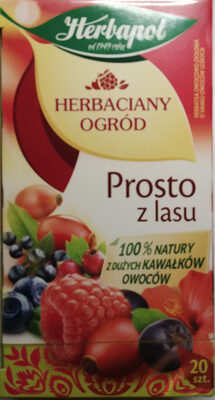
Auto-generated content. This description was generated automatically and is pending editorial review. Inaccuracies are possible. Found a mistake? Contact us.