Saba Bananas
What is Saba Bananas?
Saba bananas are a type of cooking banana, often smaller and starchier than dessert bananas. They are a staple food in the Philippines and other parts of Southeast Asia. Saba bananas are typically cooked before eating, often fried, baked, or boiled.
Is Saba Bananas vegan?
Saba Bananas is not animal-derived. Products that contain it can still include other animal-derived ingredients, so check the full ingredient list.
Is Saba Bananas gluten-free?
They do not contain gluten.
Is Saba Bananas a major allergen?
Saba bananas are not a major allergen.
What is Saba Bananas used for?
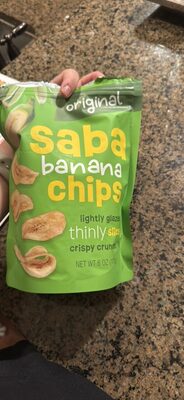
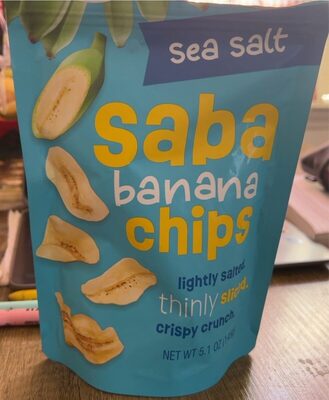
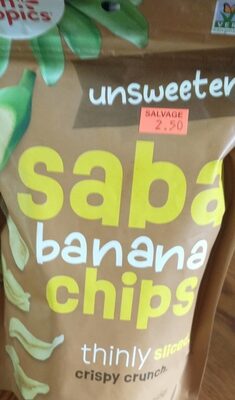
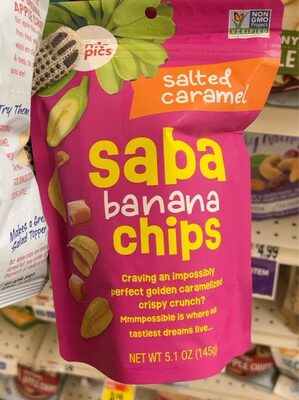
Manufacturers use saba bananas to create a variety of snack products, such as banana chips.
Is Saba Bananas safe?
Saba bananas are a source of carbohydrates, fiber, and potassium.
Why it's used
Manufacturers use saba bananas to create a variety of snack products, such as banana chips. Their firm texture and mild sweetness make them suitable for processing into crispy snacks. They are also used in desserts and savory dishes in their regions of origin.
Health notes
Saba bananas are a source of carbohydrates, fiber, and potassium. They are not subject to specific FDA regulations as a food additive, being a whole food ingredient. Regulatory bodies like EFSA have evaluated various banana varieties, generally recognizing them as safe for consumption. Evidence does not suggest adverse health effects from consuming saba bananas as part of a balanced diet.
Allergen info
Saba bananas are not a major allergen. They do not contain gluten.
Foods that contain Saba Bananas
Compare products →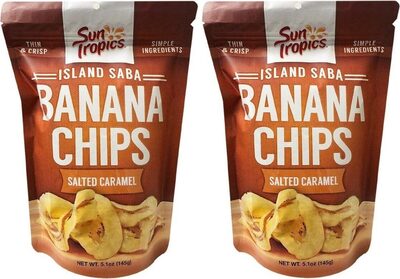
Auto-generated content. This description was generated automatically and is pending editorial review. Inaccuracies are possible. Found a mistake? Contact us.