Salt And Beta Carotene
Auto-generated content. This description was generated automatically and is pending editorial review. Inaccuracies are possible. Found a mistake? Contact us.
What it is
Salt is a mineral composed primarily of sodium chloride. Beta-carotene is a pigment found in many fruits and vegetables, such as carrots and sweet potatoes. It is often produced commercially through chemical synthesis or extracted from natural sources.
Why it's used
This ingredient combination is used to add flavor and color to processed foods. Salt enhances taste and acts as a preservative, while beta-carotene provides a yellow to orange hue, often mimicking cheese or egg. It is commonly found in sausages, hot dogs, cheese-flavored snacks, and some soups.
Health notes
Salt (sodium chloride) is essential for life, but high intake is linked to increased blood pressure. The Dietary Guidelines for Americans recommend limiting sodium intake. Beta-carotene is a precursor to Vitamin A and an antioxidant. The FDA lists salt as Generally Recognized As Safe (GRAS). Beta-carotene is also GRAS. JECFA and EFSA have evaluated both substances. While beta-carotene is generally considered safe, very high intakes from supplements have been linked to increased lung cancer risk in smokers, a finding not typically seen with dietary beta-carotene.
Allergen info
Salt is not a major allergen. Beta-carotene is plant-derived and not a major allergen. Neither ingredient contains gluten.
Products containing Salt And Beta Carotene
Compare products →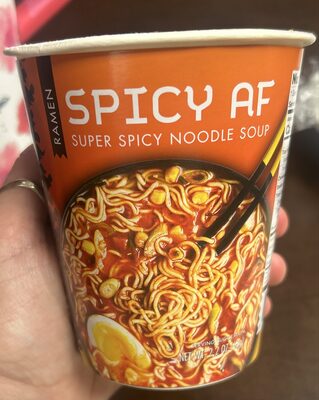 Snapdragon Foods LLC
Ramen Spicy Af Super Noodle Soup, Ramen Spicy Af
High in sodium — 53% DV per serving
High in saturated fat — 25% DV per serving
460kcal
7.9Protein
22.2Fat
54.0Carbs
T.A. Solberg Inc.
Jalapeno Cheddar Bratwurst With Pasteurized Processed Cheddar Cheese, Jalapeno Cheddar
High in sodium — 44% DV per serving
High in saturated fat — 60% DV per serving
High in cholesterol — 23% DV per serving
319kcal
15.9Protein
26.6Fat
1.8Carbs
Snapdragon Foods LLC
Ramen Spicy Af Super Noodle Soup, Ramen Spicy Af
High in sodium — 53% DV per serving
High in saturated fat — 25% DV per serving
460kcal
7.9Protein
22.2Fat
54.0Carbs
T.A. Solberg Inc.
Jalapeno Cheddar Bratwurst With Pasteurized Processed Cheddar Cheese, Jalapeno Cheddar
High in sodium — 44% DV per serving
High in saturated fat — 60% DV per serving
High in cholesterol — 23% DV per serving
319kcal
15.9Protein
26.6Fat
1.8Carbs