Salt And Caramel Color
What is Salt And Caramel Color?
Salt is a mineral compound, sodium chloride, commonly obtained from salt mines or by evaporating seawater. Caramel color is a food coloring made by heating various sugars, sometimes with acids, alkalis, or salts, to produce a brown pigment.
Is Salt And Caramel Color vegan?
Salt And Caramel Color is not animal-derived. Products that contain it can still include other animal-derived ingredients, so check the full ingredient list.
Is Salt And Caramel Color a major allergen?
Not a major allergen.
What is Salt And Caramel Color used for?
This combination is used in foods primarily to enhance flavor and provide a brown color.
Is Salt And Caramel Color safe?
Salt is an essential nutrient, but high intake is associated with increased blood pressure.
Why it's used
This combination is used in foods primarily to enhance flavor and provide a brown color. Salt acts as a flavor enhancer and can also function as a preservative, while caramel color is used to give foods a desirable brown hue. It is often found in baked goods, desserts, and confections like cookies, ice cream, and chocolate.
Health notes
Salt is an essential nutrient, but high intake is associated with increased blood pressure. The FDA recommends a Daily Value of 2,300 mg of sodium. Caramel color is an FDA-approved food additive. There are four types of caramel color (I, II, III, and IV), with types III and IV containing trace amounts of 4-methylimidazole (4-MeI), a compound that has shown some concerns in high-dose animal studies. However, major regulatory bodies, including JECFA and EFSA, have evaluated caramel colors and consider them safe for consumption at typical intake levels, with JECFA having set an acceptable daily intake for all types.
Allergen info
Not a major allergen.
Foods that contain Salt And Caramel Color
Compare products →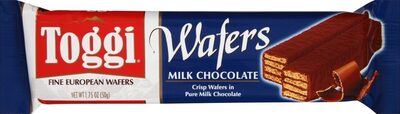 Hubbs Importing Corp
Fine European Wafers, Milk Chocolate
High in saturated fat — 50% DV per serving
540kcal
6Protein
32Fat
56Carbs
Hubbs Importing Corp
Toggi, Fine European Wafers, Milk Chocolate, Milk Chocolate
High in saturated fat — 45% DV per serving
556kcal
4.4Protein
33.3Fat
55.6Carbs
Hubbs Importing Corp
Crisp European Wafers Bars, Milk Chocolate
High in saturated fat — 50% DV per serving
540kcal
6Protein
32Fat
56Carbs
Hannaford Bros. Co.
Ice Cream, Maple Walnut
High in saturated fat — 30% DV per serving
High in added sugars — 28% DV per serving
227kcal
3.4Protein
12.5Fat
25Carbs
Russell Stover Candies Inc.
Assorted Fine Chocolates
High in saturated fat — 22% DV per serving
High in added sugars — 28% DV per serving
469kcal
6.2Protein
25Fat
59.4Carbs
Hubbs Importing Corp
Milk Chocolate Wafers, Milk Chocolate
High in saturated fat — 50% DV per serving
540kcal
6Protein
32Fat
56Carbs
Preferred Meal Systems, Inc.
Grilled Salmon
High in sodium — 36% DV per serving
High in cholesterol — 28% DV per serving
141kcal
8.1Protein
5.3Fat
15.6Carbs
Cf Services, Inc.
Turkey With Fire Roasted Zucchini & "Fried" Riced Cauliflower, Turkey
High in sodium — 28% DV per serving
High in saturated fat — 25% DV per serving
High in cholesterol — 42% DV per serving
105kcal
8.7Protein
6.6Fat
3.3Carbs
H E Butt Grocery Company
Rainbow Roll, Rainbow
107kcal
5.7Protein
1.8Fat
15Carbs
Hubbs Importing Corp
Fine European Wafers, Milk Chocolate
High in saturated fat — 50% DV per serving
540kcal
6Protein
32Fat
56Carbs
Hubbs Importing Corp
Toggi, Fine European Wafers, Milk Chocolate, Milk Chocolate
High in saturated fat — 45% DV per serving
556kcal
4.4Protein
33.3Fat
55.6Carbs
Hubbs Importing Corp
Crisp European Wafers Bars, Milk Chocolate
High in saturated fat — 50% DV per serving
540kcal
6Protein
32Fat
56Carbs
Hannaford Bros. Co.
Ice Cream, Maple Walnut
High in saturated fat — 30% DV per serving
High in added sugars — 28% DV per serving
227kcal
3.4Protein
12.5Fat
25Carbs
Russell Stover Candies Inc.
Assorted Fine Chocolates
High in saturated fat — 22% DV per serving
High in added sugars — 28% DV per serving
469kcal
6.2Protein
25Fat
59.4Carbs
Hubbs Importing Corp
Milk Chocolate Wafers, Milk Chocolate
High in saturated fat — 50% DV per serving
540kcal
6Protein
32Fat
56Carbs
Preferred Meal Systems, Inc.
Grilled Salmon
High in sodium — 36% DV per serving
High in cholesterol — 28% DV per serving
141kcal
8.1Protein
5.3Fat
15.6Carbs
Cf Services, Inc.
Turkey With Fire Roasted Zucchini & "Fried" Riced Cauliflower, Turkey
High in sodium — 28% DV per serving
High in saturated fat — 25% DV per serving
High in cholesterol — 42% DV per serving
105kcal
8.7Protein
6.6Fat
3.3Carbs
H E Butt Grocery Company
Rainbow Roll, Rainbow
107kcal
5.7Protein
1.8Fat
15Carbs
Learn more
Auto-generated content. This description was generated automatically and is pending editorial review. Inaccuracies are possible. Found a mistake? Contact us.