Salt Artificial Flavor
Auto-generated content. This description was generated automatically and is pending editorial review. Inaccuracies are possible. Found a mistake? Contact us.
What it is
Artificial flavors are substances used to give food a specific taste or smell. They are created in a lab using a variety of chemical compounds that mimic natural flavors. These compounds can be derived from natural sources or synthesized.
Why it's used
Manufacturers use artificial flavors to enhance or impart specific tastes to food products, often at a lower cost than natural flavors. They are found in a wide range of processed foods, including candies, baked goods, beverages, and dairy products.
Health notes
Artificial flavors are regulated by the FDA and are generally recognized as safe (GRAS) when used as intended. The FDA reviews scientific evidence to ensure their safety. International bodies like JECFA have also evaluated many artificial flavors. While generally considered safe, some individuals may report sensitivities to certain artificial flavors. Research on the long-term health effects of consuming a combination of artificial flavors is ongoing.
Allergen info
Artificial flavors are not derived from the major allergens (milk, egg, fish, shellfish, tree nuts, peanuts, wheat, soy, sesame). They do not contain gluten.
Products containing Salt Artificial Flavor
Compare products →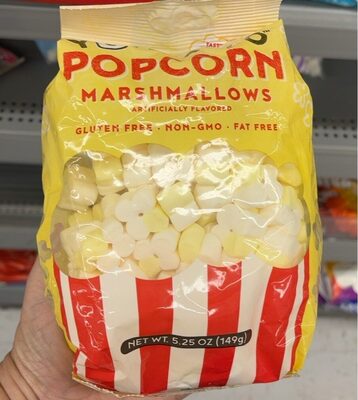 T.G. Foods, Inc.
Marshmallows Flavored Popcorn, Marshmallows
High in added sugars — 44% DV per serving
367kcal
3.3Protein
0Fat
80Carbs
Ferrara Candy Company
Apple Banana Strawberry Cherry Grape Original Mixed Fruit Chews, Apple, Banana, Strawberry, Cherry, Grape
High in added sugars — 36% DV per serving
400kcal
0Protein
3.3Fat
86.7Carbs
American Food Products Inc
Butterscotch Candy, Butterscotch
High in added sugars — 26% DV per serving
389kcal
0Protein
0Fat
94.4Carbs
Big Y Foods, Inc.
Butterscotch Discs Flavored Candy, Butterscotch Discs
High in added sugars — 26% DV per serving
389kcal
0Protein
0Fat
94.4Carbs
Snackerz, Inc.
Snackerz, Pulparindo Candy
300kcal
0Protein
0Fat
65Carbs
Ferrara Candy Company
Nougats Candy Corn, Nougats
390kcal
0Protein
7.3Fat
82.9Carbs
Halloween Cookie Kit
High in added sugars — 36% DV per serving
350kcal
2.5Protein
10Fat
65Carbs
R.A.B. Food Group, LLC
Caramel Cashew Patties, Milk Chocolate
High in saturated fat — 20% DV per serving
417kcal
5.6Protein
22.2Fat
58.3Carbs
T.G. Foods, Inc.
Marshmallows Flavored Popcorn, Marshmallows
High in added sugars — 44% DV per serving
367kcal
3.3Protein
0Fat
80Carbs
Ferrara Candy Company
Apple Banana Strawberry Cherry Grape Original Mixed Fruit Chews, Apple, Banana, Strawberry, Cherry, Grape
High in added sugars — 36% DV per serving
400kcal
0Protein
3.3Fat
86.7Carbs
American Food Products Inc
Butterscotch Candy, Butterscotch
High in added sugars — 26% DV per serving
389kcal
0Protein
0Fat
94.4Carbs
Big Y Foods, Inc.
Butterscotch Discs Flavored Candy, Butterscotch Discs
High in added sugars — 26% DV per serving
389kcal
0Protein
0Fat
94.4Carbs
Snackerz, Inc.
Snackerz, Pulparindo Candy
300kcal
0Protein
0Fat
65Carbs
Ferrara Candy Company
Nougats Candy Corn, Nougats
390kcal
0Protein
7.3Fat
82.9Carbs
Halloween Cookie Kit
High in added sugars — 36% DV per serving
350kcal
2.5Protein
10Fat
65Carbs
R.A.B. Food Group, LLC
Caramel Cashew Patties, Milk Chocolate
High in saturated fat — 20% DV per serving
417kcal
5.6Protein
22.2Fat
58.3Carbs