Salt Habanero Peppers
What is Salt Habanero Peppers?
Salt habanero peppers is a seasoning blend. It combines the salty taste of sodium chloride with the intense heat and fruity flavor of habanero peppers, a variety of chili pepper native to the Americas. The peppers are typically dried and ground before being mixed with salt.
Is Salt Habanero Peppers vegan?
Salt Habanero Peppers is not animal-derived. Products that contain it can still include other animal-derived ingredients, so check the full ingredient list.
Is Salt Habanero Peppers a major allergen?
Not a major allergen.
What is Salt Habanero Peppers used for?
Manufacturers use salt habanero peppers to add a spicy kick and savory flavor to a wide range of foods.
Is Salt Habanero Peppers safe?
Salt is essential for human health, but high intake is linked to increased blood pressure.
Why it's used
Manufacturers use salt habanero peppers to add a spicy kick and savory flavor to a wide range of foods. It is commonly found in sauces, marinades, spice rubs, and snack foods. Its intense heat and distinct pepper flavor make it a popular choice for adding excitement to dishes.
Health notes
Salt is essential for human health, but high intake is linked to increased blood pressure. The FDA sets a Daily Value for sodium at 2,300 mg per day. Habanero peppers contain capsaicin, the compound responsible for their heat, which may have some health benefits in moderation. JECFA has evaluated salt (sodium chloride) and capsaicinoids, but no specific ADIs are listed here. Evidence on the health effects of capsaicin is mixed, with some studies suggesting benefits and others indicating potential digestive upset at high doses.
Allergen info
Not a major allergen.
Foods that contain Salt Habanero Peppers
Compare products →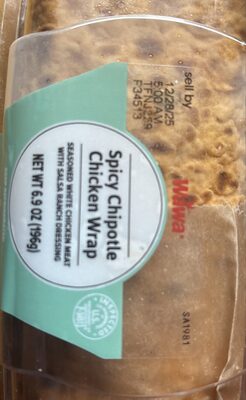 Wawa Incorporated
Spicy Chipotle Chicken Wrap, Spicy Chipotle Chicken
High in sodium — 49% DV per serving
High in saturated fat — 20% DV per serving
High in cholesterol — 27% DV per serving
204kcal
15.8Protein
7.7Fat
17.9Carbs
Wawa Incorporated
Spicy Chipotle Chicken Wrap, Spicy Chipotle Chicken
High in sodium — 49% DV per serving
High in saturated fat — 20% DV per serving
High in cholesterol — 27% DV per serving
204kcal
15.8Protein
7.7Fat
17.9Carbs
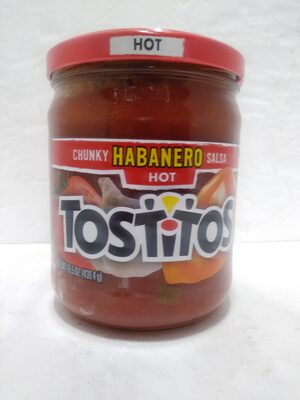 Frito-Lay Company
Hot Chunky Habanero Salsa, Hot Chunky Habanero
29kcal
0Protein
0Fat
5.7Carbs
Fillmore Harvard LLC
Original Jerk Sauce, Original Jerk
62kcal
0Protein
0Fat
18.8Carbs
Frito-Lay Company
Hot Chunky Habanero Salsa, Hot Chunky Habanero
29kcal
0Protein
0Fat
5.7Carbs
Fillmore Harvard LLC
Original Jerk Sauce, Original Jerk
62kcal
0Protein
0Fat
18.8Carbs
Learn more
Auto-generated content. This description was generated automatically and is pending editorial review. Inaccuracies are possible. Found a mistake? Contact us.