Sauternes Wine
What is Sauternes Wine?
Sauternes wine is a sweet white wine from the Bordeaux region of France. It is made from Sémillon, Sauvignon Blanc, and Muscadelle grapes that have been affected by Botrytis cinerea, also known as noble rot, which concentrates the sugars and flavors.
Is Sauternes Wine a major allergen?
Not a major allergen.
What is Sauternes Wine used for?
In food, Sauternes wine is used as a flavoring agent to add sweetness, acidity, and a complex aromatic profile.
Is Sauternes Wine safe?
As an alcoholic beverage, wine is generally recognized as safe (GRAS) by the FDA when used appropriately as a food ingredient.
Why it's used
In food, Sauternes wine is used as a flavoring agent to add sweetness, acidity, and a complex aromatic profile. It is often found in gourmet products like pâtés, foie gras, and sauces, where its rich flavor complements savory dishes.
Health notes
As an alcoholic beverage, wine is generally recognized as safe (GRAS) by the FDA when used appropriately as a food ingredient. The alcohol content typically evaporates during cooking, leaving behind its distinct flavor. JECFA and EFSA evaluate alcohol, but not specifically Sauternes wine as a food additive. There are no specific controversies regarding Sauternes wine as a food ingredient beyond general considerations for alcohol consumption.
Allergen info
Not a major allergen. Wine may contain sulfites, which are common food sensitivities, but sulfites are not among the 9 major allergens identified by the FDA.
Foods that contain Sauternes Wine
Compare products →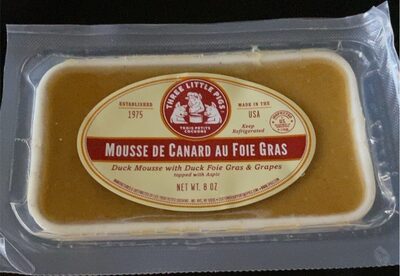
Learn more
Auto-generated content. This description was generated automatically and is pending editorial review. Inaccuracies are possible. Found a mistake? Contact us.