Savory Sauce
What is Savory Sauce?
Savory sauce is a broad term for sauces that provide a salty, umami, or rich flavor profile, often used as a marinade, glaze, or finishing sauce. They can be made from a variety of ingredients including soy sauce, broth, vegetables, herbs, spices, and sometimes sweeteners or thickeners.
Is Savory Sauce gluten-free?
Gluten may be present if wheat is an ingredient.
Is Savory Sauce a major allergen?
Savory sauces may contain major allergens such as soy (from soy sauce) or wheat (from soy sauce or other thickeners).
What is Savory Sauce used for?
Manufacturers use savory sauces to add depth of flavor and moisture to foods.
Is Savory Sauce safe?
Savory sauces vary widely in their health implications depending on their specific ingredients, particularly sodium content.
Why it's used
Manufacturers use savory sauces to add depth of flavor and moisture to foods. They are commonly found in frozen dinners and entrees, marinades, and as a component in meal kits, enhancing the overall taste experience of dishes like stir-fries, roasted meats, and pasta.
Health notes
Savory sauces vary widely in their health implications depending on their specific ingredients, particularly sodium content. The FDA sets a Daily Value for sodium at 2,300 mg per day. While specific savory sauces are not typically evaluated by bodies like JECFA or EFSA as a single entity, their individual components may be. High sodium intake is linked to increased blood pressure, according to health organizations.
Allergen info
Savory sauces may contain major allergens such as soy (from soy sauce) or wheat (from soy sauce or other thickeners). Always check the ingredient list for specific allergen information. Gluten may be present if wheat is an ingredient.
Foods that contain Savory Sauce
Compare products →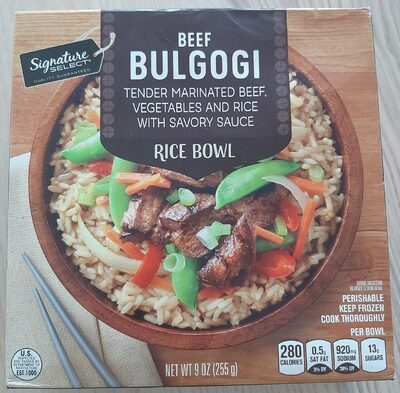 Safeway, Inc.
Beef Bulgogi Tender Marinated Beef, Vegetables And Rice With Savory Sauce Rice Bowl, Beef Bulgogi
High in sodium — 40% DV per serving
110kcal
4.7Protein
0.8Fat
19.6Carbs
Safeway, Inc.
Japchae With Shitake Mushrooms Sweet Potato Pasta, Spinach, Peppers & Mushrooms Topped With Roasted Sesame Seeds Bowl, Japchae With Shitake Mushrooms
High in sodium — 38% DV per serving
225kcal
1.1Protein
0.7Fat
45.4Carbs
Conagra Brands, Inc
Marie Callender's Duos, Beef & Broccoli & Sesame Chicken, Frozen Meal, 14 oz.
High in sodium — 33% DV per serving
High in added sugars — 32% DV per serving
128kcal
5.0Protein
3.5Fat
19.1Carbs
Safeway, Inc.
Beef Bulgogi Tender Marinated Beef, Vegetables And Rice With Savory Sauce Rice Bowl, Beef Bulgogi
High in sodium — 40% DV per serving
110kcal
4.7Protein
0.8Fat
19.6Carbs
Safeway, Inc.
Japchae With Shitake Mushrooms Sweet Potato Pasta, Spinach, Peppers & Mushrooms Topped With Roasted Sesame Seeds Bowl, Japchae With Shitake Mushrooms
High in sodium — 38% DV per serving
225kcal
1.1Protein
0.7Fat
45.4Carbs
Conagra Brands, Inc
Marie Callender's Duos, Beef & Broccoli & Sesame Chicken, Frozen Meal, 14 oz.
High in sodium — 33% DV per serving
High in added sugars — 32% DV per serving
128kcal
5.0Protein
3.5Fat
19.1Carbs
Learn more
Auto-generated content. This description was generated automatically and is pending editorial review. Inaccuracies are possible. Found a mistake? Contact us.