Sea Salt Added
Auto-generated content. This description was generated automatically and is pending editorial review. Inaccuracies are possible. Found a mistake? Contact us.
What it is
Sea salt is a type of salt produced by evaporating seawater. Unlike table salt, it undergoes minimal processing, which allows it to retain trace minerals like magnesium, calcium, and potassium, giving it a slightly different flavor and texture. It is harvested from oceans and saltwater lakes around the world.
Why it's used
Manufacturers add sea salt primarily to enhance the flavor of foods, providing a distinct taste compared to regular table salt. It also acts as a natural preservative, helping to extend the shelf life of various products. It is commonly found in snacks like popcorn, chips, nuts, and pretzels.
Health notes
The U.S. Food and Drug Administration (FDA) recognizes salt, including sea salt, as Generally Recognized As Safe (GRAS). The primary health consideration for sea salt is its sodium content, which is similar to that of table salt. High sodium intake is a public health concern, and the FDA's Daily Value for sodium is 2,300 mg. JECFA (the Joint FAO/WHO Expert Committee on Food Additives) has evaluated sodium chloride and established an acceptable daily intake (ADI) not specified, meaning that the available data indicate no need to set a numeric limit.
Allergen info
Sea salt is not a major allergen.
Products containing Sea Salt Added
Compare products →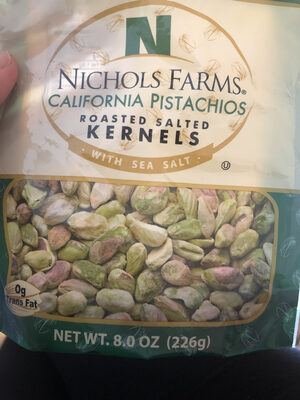 Sierra View Farms
California Pistachios, Roasted Salted
607kcal
21.4Protein
50Fat
28.6Carbs
Sierra View Farms
California Pistachios, Roasted Salted
607kcal
21.4Protein
50Fat
28.6Carbs
Walgreens Co.
Pistachio Kernels, Sea Salt
571kcal
21.4Protein
46.4Fat
28.6Carbs
Sierra View Farms
California Pistachios, Roasted Salted
607kcal
21.4Protein
50Fat
28.6Carbs
Sierra View Farms
California Pistachios, Roasted Salted
607kcal
21.4Protein
50Fat
28.6Carbs
Walgreens Co.
Pistachio Kernels, Sea Salt
571kcal
21.4Protein
46.4Fat
28.6Carbs