Sea Salt And Alcohol
What is Sea Salt And Alcohol?
Sea salt is a natural salt produced by evaporating seawater, which leaves behind sodium chloride and trace minerals. Alcohol, typically ethanol, is a liquid produced through the fermentation of sugars by yeast, and it can be used in small amounts in food products.
Is Sea Salt And Alcohol vegan?
Sea Salt And Alcohol is not animal-derived. Products that contain it can still include other animal-derived ingredients, so check the full ingredient list.
Is Sea Salt And Alcohol a major allergen?
Neither sea salt nor alcohol are considered major allergens.
What is Sea Salt And Alcohol used for?
Manufacturers use sea salt primarily as a seasoning to enhance flavor and as a preservative.
Is Sea Salt And Alcohol safe?
Sea salt is generally recognized as safe (GRAS) by the FDA.
Why it's used
Manufacturers use sea salt primarily as a seasoning to enhance flavor and as a preservative. Alcohol can function as a solvent for flavorings, a mild preservative, or to contribute to the overall flavor profile, especially in sauces like hoisin or teriyaki.
Health notes
Sea salt is generally recognized as safe (GRAS) by the FDA. High intake of sodium from any source, including sea salt, is associated with increased blood pressure; the FDA's Daily Value for sodium is 2,300 mg. Alcohol, when used as a food ingredient in small amounts, is also generally recognized as safe by the FDA. JECFA has evaluated ethanol and established an acceptable daily intake for its use as a food additive.
Allergen info
Neither sea salt nor alcohol are considered major allergens.
Foods that contain Sea Salt And Alcohol
Compare products →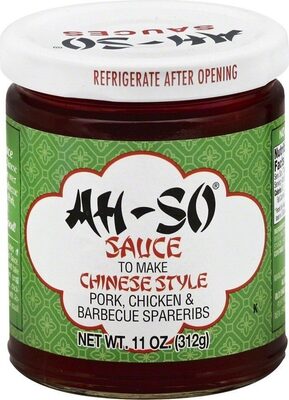 Edlin Foods
Chinese Style Sauce
High in sodium — 38% DV per serving
High in added sugars — 36% DV per serving
216kcal
0Protein
0Fat
54.0Carbs
Edlin Foods
Chinese Style Sauce
High in sodium — 38% DV per serving
High in added sugars — 36% DV per serving
216kcal
0Protein
0Fat
54.0Carbs
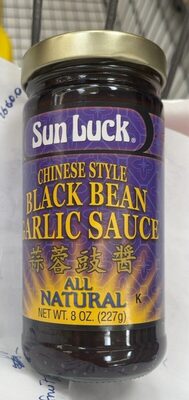 Allied Old English Inc.
Chinese Style Black Bean Garlic Sauce
143kcal
0Protein
3.6Fat
28.6Carbs
Allied Old English Inc.
Chinese Style Black Bean Garlic Sauce
143kcal
0Protein
3.6Fat
28.6Carbs
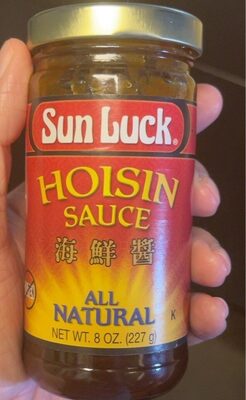 Allied Old English Inc.
All Natural Hoisin Sauce
206kcal
0Protein
0Fat
47.1Carbs
Allied Old English Inc.
Hoisin Sauce
206kcal
0Protein
0Fat
47.1Carbs
McIlhenny Company
Spicy Teriyaki Sauce, Spicy
High in sodium — 25% DV per serving
133kcal
6.7Protein
0Fat
26.7Carbs
Allied Old English Inc.
Hoisin Sauce
206kcal
0Protein
0Fat
47.1Carbs
Allied Old English Inc.
Cantonese Oyster Sauce
High in sodium — 30% DV per serving
139kcal
0Protein
0Fat
27.8Carbs
Allied Old English Inc.
Hoisin Style Asian BBQ Sauce
High in added sugars — 32% DV per serving
194kcal
2.8Protein
0Fat
50Carbs
Allied Old English Inc.
All Natural Hoisin Sauce
206kcal
0Protein
0Fat
47.1Carbs
Allied Old English Inc.
Hoisin Sauce
206kcal
0Protein
0Fat
47.1Carbs
McIlhenny Company
Spicy Teriyaki Sauce, Spicy
High in sodium — 25% DV per serving
133kcal
6.7Protein
0Fat
26.7Carbs
Allied Old English Inc.
Hoisin Sauce
206kcal
0Protein
0Fat
47.1Carbs
Allied Old English Inc.
Cantonese Oyster Sauce
High in sodium — 30% DV per serving
139kcal
0Protein
0Fat
27.8Carbs
Allied Old English Inc.
Hoisin Style Asian BBQ Sauce
High in added sugars — 32% DV per serving
194kcal
2.8Protein
0Fat
50Carbs
Learn more
Auto-generated content. This description was generated automatically and is pending editorial review. Inaccuracies are possible. Found a mistake? Contact us.