Sea Salt Caramel
What is Sea Salt Caramel?
Sea salt caramel is a popular flavor combination made from caramel and sea salt. Caramel is produced by heating sugar until it browns, often with the addition of dairy products like butter and cream. Sea salt is obtained through the evaporation of seawater.
Is Sea Salt Caramel vegan?
No. Sea Salt Caramel is animal-derived, so it is not vegan.
Is Sea Salt Caramel a major allergen?
Caramel, when made with dairy ingredients like butter or cream, contains milk, which is one of the nine major FDA allergens.
What is Sea Salt Caramel used for?
This ingredient is primarily used to impart a distinct sweet and savory flavor profile to various food products.
Is Sea Salt Caramel safe?
Sea salt caramel is a food ingredient, not a regulated additive itself.
Why it's used
This ingredient is primarily used to impart a distinct sweet and savory flavor profile to various food products. It is commonly found in desserts, confections, ice cream, chocolates, and baked goods to enhance their taste.
Health notes
Sea salt caramel is a food ingredient, not a regulated additive itself. Its components, such as sugar, fat, and salt, are consumed as part of a regular diet. The 2025-2030 Dietary Guidelines for Americans recommend no amount of added sugars, and at most 10 grams of added sugars per meal. They also advise limiting saturated fat to less than 10% of daily calories. The FDA Daily Value for sodium is 2,300 mg.
Allergen info
Caramel, when made with dairy ingredients like butter or cream, contains milk, which is one of the nine major FDA allergens.
Foods that contain Sea Salt Caramel
Compare products →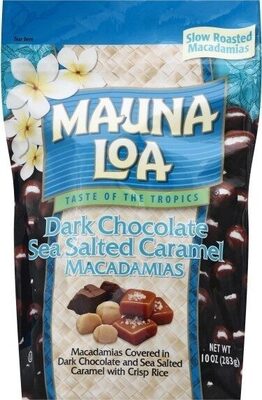
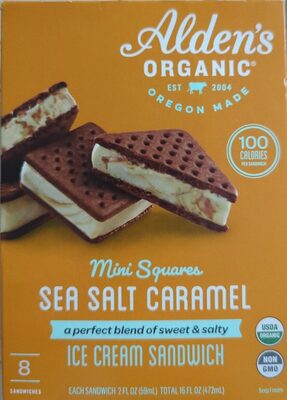
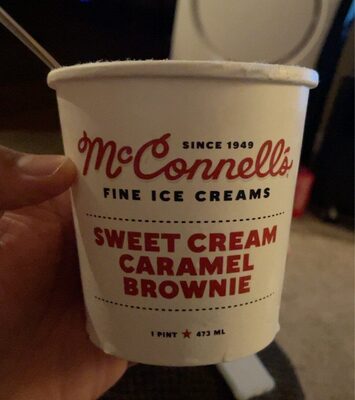
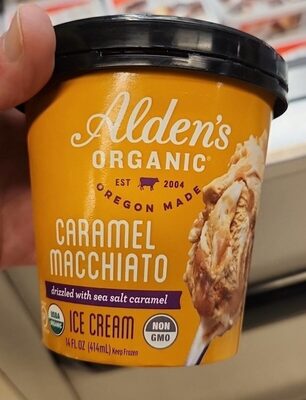
Learn more
Auto-generated content. This description was generated automatically and is pending editorial review. Inaccuracies are possible. Found a mistake? Contact us.