Shirataki Noodles
What is Shirataki Noodles?
Shirataki noodles are a traditional Japanese noodle made from the konjac yam, also known as the konnyaku potato. The yam is ground into a flour, mixed with water and a calcium source, and then cooked to form a gelatinous noodle.
Is Shirataki Noodles vegan?
Shirataki Noodles is not animal-derived. Products that contain it can still include other animal-derived ingredients, so check the full ingredient list.
Is Shirataki Noodles gluten-free?
They are also gluten-free.
Is Shirataki Noodles a major allergen?
Shirataki noodles are not derived from any of the nine major allergens.
What is Shirataki Noodles used for?
Shirataki noodles are often used as a low-calorie, low-carbohydrate alternative to traditional pasta.
Is Shirataki Noodles safe?
Shirataki noodles are primarily made of glucomannan, a soluble fiber.
Why it's used
Shirataki noodles are often used as a low-calorie, low-carbohydrate alternative to traditional pasta. Their neutral flavor and firm, chewy texture make them versatile for use in various dishes, from stir-fries to noodle soups.
Health notes
Shirataki noodles are primarily made of glucomannan, a soluble fiber. This fiber can help promote feelings of fullness and may aid in digestive health. The FDA considers shirataki noodles to be GRAS (Generally Recognized As Safe). JECFA has evaluated glucomannan and established an acceptable daily intake. While generally safe, consuming large amounts without adequate fluid intake may cause digestive discomfort.
Allergen info
Shirataki noodles are not derived from any of the nine major allergens. They are also gluten-free.
Foods that contain Shirataki Noodles
Compare products →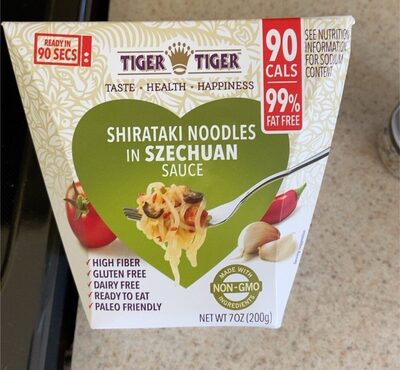 Glasser Bows, Inc.
Shirataki In Szechuan Sauce Noodles
High in sodium — 26% DV per serving
High in added sugars — 30% DV per serving
45kcal
0.5Protein
0.5Fat
11.5Carbs
Rimlakes
Spicy Steak & Fingerling Potatoes Roasted Mushrooms Pickled Shirataki Noodle Sweet Potato, Baby Kale Avocado - Aji Chili Dressing Potato Salad, Spicy Steak & Fingerling Potato
High in sodium — 23% DV per serving
High in saturated fat — 25% DV per serving
High in cholesterol — 23% DV per serving
125kcal
8.2Protein
7.6Fat
7.3Carbs
Glasser Bows, Inc.
Shirataki In Sweet Chili Sauce Noodles
High in sodium — 40% DV per serving
High in added sugars — 20% DV per serving
45kcal
0.5Protein
1Fat
10Carbs
Glasser Bows, Inc.
Shirataki In Szechuan Sauce Noodles
High in sodium — 26% DV per serving
High in added sugars — 30% DV per serving
45kcal
0.5Protein
0.5Fat
11.5Carbs
Rimlakes
Spicy Steak & Fingerling Potatoes Roasted Mushrooms Pickled Shirataki Noodle Sweet Potato, Baby Kale Avocado - Aji Chili Dressing Potato Salad, Spicy Steak & Fingerling Potato
High in sodium — 23% DV per serving
High in saturated fat — 25% DV per serving
High in cholesterol — 23% DV per serving
125kcal
8.2Protein
7.6Fat
7.3Carbs
Glasser Bows, Inc.
Shirataki In Sweet Chili Sauce Noodles
High in sodium — 40% DV per serving
High in added sugars — 20% DV per serving
45kcal
0.5Protein
1Fat
10Carbs
Auto-generated content. This description was generated automatically and is pending editorial review. Inaccuracies are possible. Found a mistake? Contact us.