Shiso Leaves
What is Shiso Leaves?
Shiso leaves are the leaves of the Perilla frutescens plant, a member of the mint family. Native to East Asia, shiso is widely cultivated and used in various cuisines, particularly in Japan, Korea, and Vietnam. The leaves have a unique flavor profile, often described as a mix of mint, basil, and anise.
Is Shiso Leaves vegan?
Shiso Leaves is not animal-derived. Products that contain it can still include other animal-derived ingredients, so check the full ingredient list.
Is Shiso Leaves gluten-free?
They do not contain gluten.
Is Shiso Leaves a major allergen?
Shiso leaves are not derived from any of the 9 major FDA allergens.
What is Shiso Leaves used for?
Shiso leaves are used as a flavoring agent and garnish in a variety of dishes.
Is Shiso Leaves safe?
Shiso leaves are generally recognized as safe (GRAS) for use in food by the FDA.
Why it's used
Shiso leaves are used as a flavoring agent and garnish in a variety of dishes. Manufacturers add them to seasoning mixes, salts, marinades, and sauces to impart their distinct aroma and taste. They are also commonly found in sushi, pickles, and other preserved vegetable products.
Health notes
Shiso leaves are generally recognized as safe (GRAS) for use in food by the FDA. They are a traditional food ingredient with a long history of consumption. While specific health benefits are not widely established by regulatory bodies, shiso contains various antioxidants. JECFA and EFSA have not specifically evaluated shiso leaves as a food additive, as they are primarily used for their flavor.
Allergen info
Shiso leaves are not derived from any of the 9 major FDA allergens. They do not contain gluten.
Foods that contain Shiso Leaves
Compare products →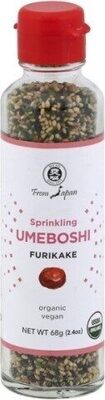 Bison Gear and Engineering
Sprinkling Furikake, Umeboshi
500kcal
14.3Protein
35.7Fat
28.6Carbs
Urban Remedy
Black Rice Umeboshi Bowl
High in saturated fat — 25% DV per serving
158kcal
3.8Protein
10.8Fat
13.2Carbs
Sushi Metsuyan, Inc.
Pickled Ginger Japanese Sliced Sushi Gari, Ginger
71kcal
0Protein
0Fat
14.3Carbs
Bison Gear and Engineering
Sprinkling Furikake, Umeboshi
500kcal
14.3Protein
35.7Fat
28.6Carbs
Urban Remedy
Black Rice Umeboshi Bowl
High in saturated fat — 25% DV per serving
158kcal
3.8Protein
10.8Fat
13.2Carbs
Sushi Metsuyan, Inc.
Pickled Ginger Japanese Sliced Sushi Gari, Ginger
71kcal
0Protein
0Fat
14.3Carbs
Learn more
Auto-generated content. This description was generated automatically and is pending editorial review. Inaccuracies are possible. Found a mistake? Contact us.