Sichuan Peppercorn
What is Sichuan Peppercorn?
Sichuan peppercorn is the dried berry of a prickly ash tree native to China. It is not related to black pepper or chili peppers. The berries are dried and then often toasted or roasted before use.
Is Sichuan Peppercorn vegan?
Sichuan Peppercorn is not animal-derived. Products that contain it can still include other animal-derived ingredients, so check the full ingredient list.
Is Sichuan Peppercorn gluten-free?
It does not contain gluten.
Is Sichuan Peppercorn a major allergen?
Sichuan peppercorn is not derived from any of the nine major allergens recognized by the FDA.
What is Sichuan Peppercorn used for?
Sichuan peppercorns are primarily used as a spice to add a unique flavor and aroma to foods.
Is Sichuan Peppercorn safe?
Sichuan peppercorn is generally recognized as safe (GRAS) by the FDA for use as a food ingredient.
Why it's used
Sichuan peppercorns are primarily used as a spice to add a unique flavor and aroma to foods. They are known for creating a tingling, numbing sensation on the tongue, often paired with a mild heat. They are common in Chinese cuisine, particularly Sichuan dishes, and can be found in sauces, marinades, and spice blends.
Health notes
Sichuan peppercorn is generally recognized as safe (GRAS) by the FDA for use as a food ingredient. It is not typically associated with adverse health effects when consumed in amounts found in food. Regulatory bodies like JECFA have evaluated it, but no specific numeric limits are set for its consumption as a food spice. While generally considered safe, some individuals may experience mild digestive upset if consumed in very large quantities.
Allergen info
Sichuan peppercorn is not derived from any of the nine major allergens recognized by the FDA. It does not contain gluten.
Foods that contain Sichuan Peppercorn
Compare products →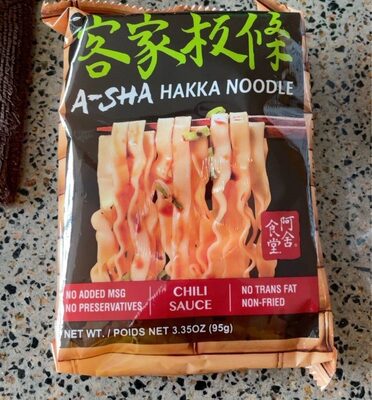 Ortiz Corporation
With Chili Sauce Hakka Style Noodle
High in sodium — 61% DV per serving
316kcal
11.6Protein
1.1Fat
66.3Carbs
Ortiz Corporation
With Chili Sauce Hakka Style Noodle
High in sodium — 61% DV per serving
316kcal
11.6Protein
1.1Fat
66.3Carbs
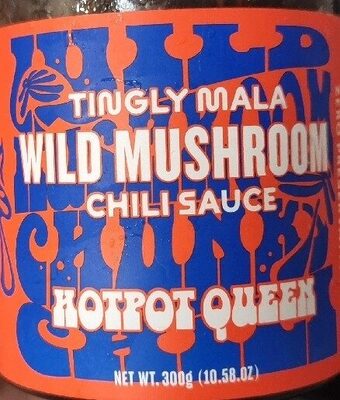 W.B. LLC
Tingly Mala Wild Mushroom Chili Sauce, Tingly Mala Wild Mushroom
450kcal
5Protein
40Fat
35Carbs
W.B. LLC
Tingly Mala Wild Mushroom Chili Sauce, Tingly Mala Wild Mushroom
450kcal
5Protein
40Fat
35Carbs
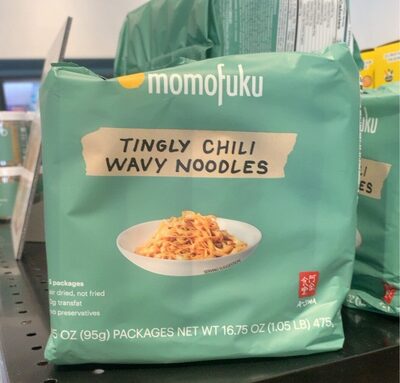 L&B Apparel
Tingly Chili Wavy Noodles, Tingly Chili
High in sodium — 61% DV per serving
316kcal
11.6Protein
1.1Fat
66.3Carbs
L&B Apparel
Tingly Chili Wavy Noodles, Tingly Chili
High in sodium — 61% DV per serving
316kcal
11.6Protein
1.1Fat
66.3Carbs
Learn more
Auto-generated content. This description was generated automatically and is pending editorial review. Inaccuracies are possible. Found a mistake? Contact us.