Sliced Red Pepper
What is Sliced Red Pepper?
Sliced red pepper is a vegetable that is the mature fruit of the Capsicum annuum plant. It is typically harvested when ripe and then sliced for use in food products. Red peppers are known for their sweet flavor and vibrant color.
Is Sliced Red Pepper vegan?
Sliced Red Pepper is not animal-derived. Products that contain it can still include other animal-derived ingredients, so check the full ingredient list.
Is Sliced Red Pepper gluten-free?
It does not contain gluten.
Is Sliced Red Pepper a major allergen?
Not a major allergen.
What is Sliced Red Pepper used for?
Manufacturers add sliced red pepper for flavor, color, and texture.
Is Sliced Red Pepper safe?
Red peppers are a source of vitamins, particularly vitamin C and vitamin A.
Why it's used
Manufacturers add sliced red pepper for flavor, color, and texture. It is commonly found in prepared meals, sauces, salsas, and deli items. The pepper adds a fresh, slightly sweet taste and visual appeal to dishes.
Health notes
Red peppers are a source of vitamins, particularly vitamin C and vitamin A. They contain antioxidants, which are compounds that may help protect cells from damage. Regulatory bodies like the FDA consider vegetables like red pepper to be safe as a food ingredient. International bodies such as JECFA have evaluated many food ingredients, but specific evaluations for sliced red pepper as a standalone ingredient are not typically highlighted.
Allergen info
Not a major allergen. Red pepper is not derived from any of the 9 FDA major allergens. It does not contain gluten.
Foods that contain Sliced Red Pepper
Compare products →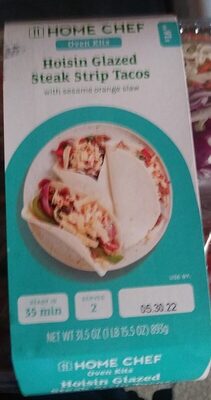
Auto-generated content. This description was generated automatically and is pending editorial review. Inaccuracies are possible. Found a mistake? Contact us.