Slippery Elm Bark
What is Slippery Elm Bark?
Slippery elm bark comes from the inner bark of the Ulmus rubra tree, native to eastern North America. The bark is dried and ground into a powder. It contains mucilage, a gel-like substance that swells in water.
Is Slippery Elm Bark vegan?
Slippery Elm Bark is not animal-derived. Products that contain it can still include other animal-derived ingredients, so check the full ingredient list.
Is Slippery Elm Bark gluten-free?
It does not contain gluten.
Is Slippery Elm Bark a major allergen?
Slippery elm bark is not derived from any of the nine FDA major allergens.
What is Slippery Elm Bark used for?
Slippery elm bark powder is used as a thickener and emulsifier in some food products.
Is Slippery Elm Bark safe?
Slippery elm bark is generally recognized as safe (GRAS) by the FDA for use as a food ingredient.
Why it's used
Slippery elm bark powder is used as a thickener and emulsifier in some food products. It is often found in herbal teas, lozenges, and some beverages. Its mucilaginous properties can also contribute to a smoother texture.
Health notes
Slippery elm bark is generally recognized as safe (GRAS) by the FDA for use as a food ingredient. It has a long history of use in traditional medicine for soothing the digestive tract. Scientific evidence supporting these uses is limited, and more research is needed. JECFA has evaluated slippery elm bark.
Allergen info
Slippery elm bark is not derived from any of the nine FDA major allergens. It does not contain gluten.
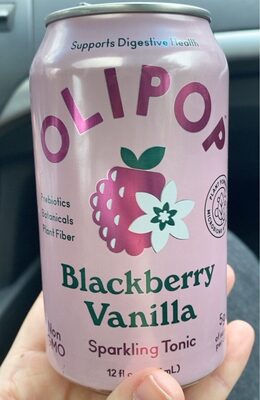
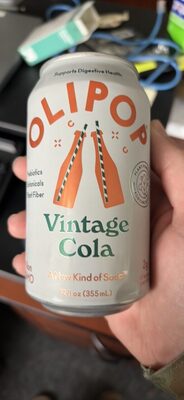
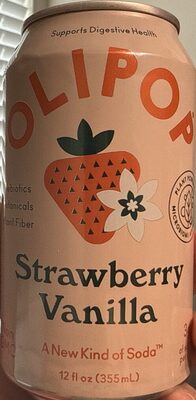
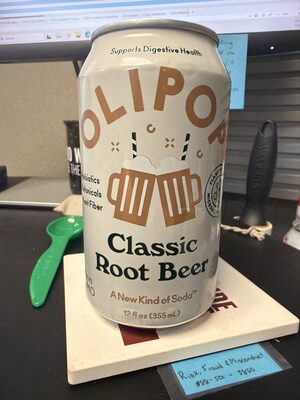
Foods that contain Slippery Elm Bark
Compare products →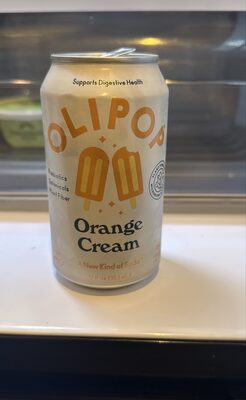
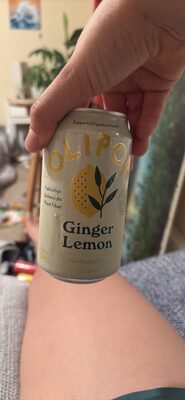
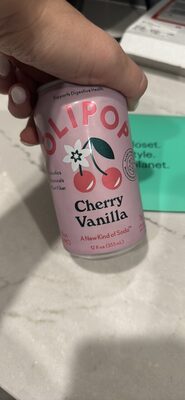
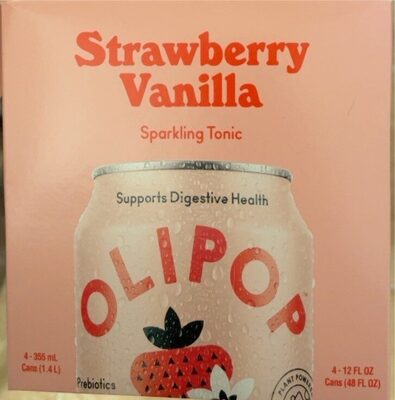

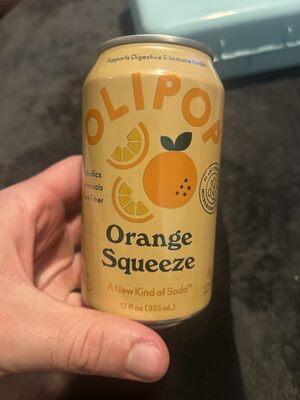
Auto-generated content. This description was generated automatically and is pending editorial review. Inaccuracies are possible. Found a mistake? Contact us.