Smoked Red Jalapeno
What is Smoked Red Jalapeno?
Smoked red jalapeño is a type of chili pepper that has been dried and smoked. Jalapeños are typically harvested when green, but when left on the plant longer, they turn red and develop a sweeter, fruitier flavor. Smoking them adds a deep, complex flavor profile.
Is Smoked Red Jalapeno vegan?
Smoked Red Jalapeno is not animal-derived. Products that contain it can still include other animal-derived ingredients, so check the full ingredient list.
Is Smoked Red Jalapeno a major allergen?
Not a major allergen.
What is Smoked Red Jalapeno used for?
Smoked red jalapeño is used to add a smoky, spicy flavor to a variety of foods.
Is Smoked Red Jalapeno safe?
Smoked red jalapeño is generally recognized as safe (GRAS) by the FDA as a food ingredient.
Why it's used
Smoked red jalapeño is used to add a smoky, spicy flavor to a variety of foods. It's often found in processed meats like sausages and hot dogs, as well as in frozen meals, dips, and snacks. Manufacturers use it as a flavoring agent to enhance the taste and appeal of their products.
Health notes
Smoked red jalapeño is generally recognized as safe (GRAS) by the FDA as a food ingredient. As a natural food, it contains capsaicin, the compound responsible for the heat in chili peppers, which may have some antioxidant properties. There are no specific regulatory limits set for its consumption as a food ingredient, and major international bodies like JECFA have not set specific intake guidelines for this specific ingredient, as it is considered a food item rather than a food additive.
Allergen info
Not a major allergen.
Foods that contain Smoked Red Jalapeno
Compare products →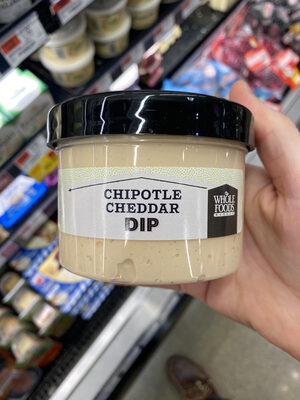 BC Gourmet USA, Inc.
Whole Foods Market, Chipotle Cheddar Dip
High in saturated fat — 25% DV per serving
321kcal
10.7Protein
28.6Fat
3.6Carbs
BC Gourmet USA, Inc.
Whole Foods Market, Chipotle Cheddar Dip
High in saturated fat — 25% DV per serving
321kcal
10.7Protein
28.6Fat
3.6Carbs
 Nestle USA Inc.
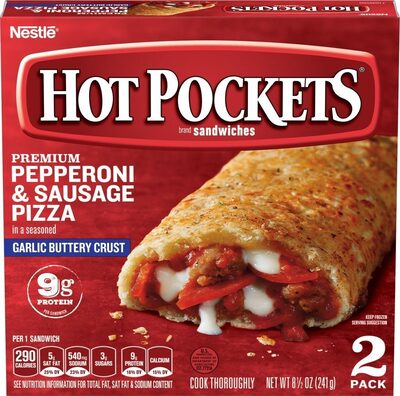
Hot Habanero Pepperoni & Sausage Sandwiches, Habanero; Pepperoni; Sausage
High in sodium — 34% DV per serving
High in saturated fat — 30% DV per serving
120kcal
3.7Protein
5.4Fat
15.3Carbs
Nestle USA Inc.
Hot Habanero Pepperoni & Sausage Sandwiches, Habanero; Pepperoni; Sausage
High in sodium — 34% DV per serving
High in saturated fat — 30% DV per serving
120kcal
3.7Protein
5.4Fat
15.3Carbs
 Sugar Mountain Capital, LLC
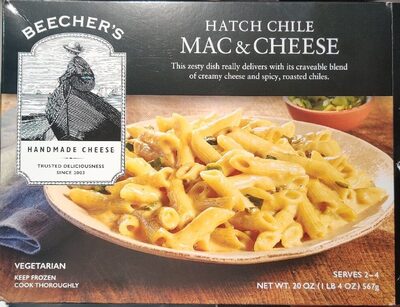
Hatch Chile Mac & Cheese, Hatch Chile
High in sodium — 23% DV per serving
High in saturated fat — 55% DV per serving
222kcal
10.1Protein
9.0Fat
24.9Carbs
Sugar Mountain Capital, LLC
Cauliflower In Cheese Sauce, Cheese Sauce
High in saturated fat — 30% DV per serving
106kcal
5.3Protein
6.8Fat
5.3Carbs
Sugar Mountain Capital, LLC
Hatch Chile Mac & Cheese, Hatch Chile
High in sodium — 23% DV per serving
High in saturated fat — 55% DV per serving
222kcal
10.1Protein
9.0Fat
24.9Carbs
Sugar Mountain Capital, LLC
Cauliflower In Cheese Sauce, Cheese Sauce
High in saturated fat — 30% DV per serving
106kcal
5.3Protein
6.8Fat
5.3Carbs
Learn more
Auto-generated content. This description was generated automatically and is pending editorial review. Inaccuracies are possible. Found a mistake? Contact us.