Smoky Ham/bacon Flavor
What is Smoky Ham/bacon Flavor?
Smoky ham/bacon flavor is a food additive designed to mimic the taste and aroma of cooked ham or bacon. It is typically created using a combination of natural and artificial flavorings, often including smoke flavorings, savory compounds, and sometimes yeast extracts or hydrolyzed vegetable proteins to achieve the desired smoky and meaty notes.
Is Smoky Ham/bacon Flavor gluten-free?
It does not contain gluten.
Is Smoky Ham/bacon Flavor a major allergen?
Smoky ham/bacon flavor is not derived from any of the 9 FDA major allergens.
What is Smoky Ham/bacon Flavor used for?
Manufacturers add smoky ham/bacon flavor to foods to impart a savory, smoky, and meaty taste without using actual meat products.
Is Smoky Ham/bacon Flavor safe?
Smoky ham/bacon flavor is generally recognized as safe (GRAS) by the FDA when used as a flavoring agent.
Why it's used
Manufacturers add smoky ham/bacon flavor to foods to impart a savory, smoky, and meaty taste without using actual meat products. It is commonly found in seasoning mixes, snack foods, processed meats, soups, sauces, and marinades to enhance their flavor profile.
Health notes
Smoky ham/bacon flavor is generally recognized as safe (GRAS) by the FDA when used as a flavoring agent. Regulatory bodies like JECFA and EFSA have evaluated various flavoring substances. While generally considered safe at typical consumption levels, some individuals may have sensitivities to specific components within complex flavor mixtures. Evidence regarding long-term health effects of artificial flavorings as a class is ongoing.
Allergen info
Smoky ham/bacon flavor is not derived from any of the 9 FDA major allergens. It does not contain gluten.
Foods that contain Smoky Ham/bacon Flavor
Compare products →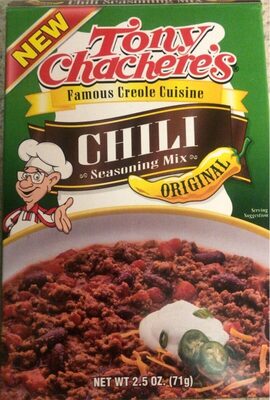 Tony Chachere's Creole Foods of Opelousas, Inc.
Original Chili Seasoning Mix, Original
278kcal
11.1Protein
11.1Fat
55.6Carbs
Tony Chachere's Creole Foods of Opelousas, Inc.
Original Chili Seasoning Mix, Original
278kcal
11.1Protein
11.1Fat
55.6Carbs
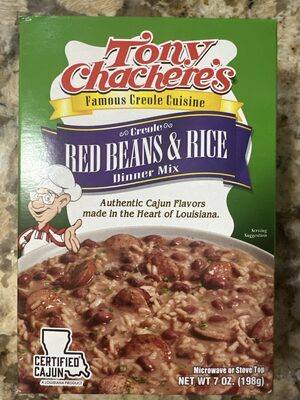 Tony Chachere's Creole Foods of Opelousas Inc.
Tony Chachere's Red Beans & Rice 7oz
153kcal
6.7Protein
0.4Fat
31.5Carbs
Byerly Foods International
Chef-Crafted Soup, New England Clam Chowder
High in sodium — 30% DV per serving
High in saturated fat — 105% DV per serving
High in cholesterol — 48% DV per serving
193kcal
4.3Protein
16.9Fat
6.8Carbs
Tony Chachere's Creole Foods of Opelousas Inc.
Tony Chachere's Red Beans & Rice 7oz
153kcal
6.7Protein
0.4Fat
31.5Carbs
Byerly Foods International
Chef-Crafted Soup, New England Clam Chowder
High in sodium — 30% DV per serving
High in saturated fat — 105% DV per serving
High in cholesterol — 48% DV per serving
193kcal
4.3Protein
16.9Fat
6.8Carbs
Learn more
Auto-generated content. This description was generated automatically and is pending editorial review. Inaccuracies are possible. Found a mistake? Contact us.