Sodium Benzoate And Silicon Dioxide
What is Sodium Benzoate And Silicon Dioxide?
Silicon dioxide is a form of silica, which is a common compound found in nature as sand and quartz. It is manufactured for food use by processes like flame-syring or precipitation. Sodium benzoate is a salt of benzoic acid, a synthetic preservative.
Is Sodium Benzoate And Silicon Dioxide vegan?
Sodium Benzoate And Silicon Dioxide is not animal-derived. Products that contain it can still include other animal-derived ingredients, so check the full ingredient list.
Is Sodium Benzoate And Silicon Dioxide a major allergen?
Not a major allergen.
What is Sodium Benzoate And Silicon Dioxide used for?
Silicon dioxide is used as an anti-caking agent to prevent powders from clumping.
Is Sodium Benzoate And Silicon Dioxide safe?
Silicon dioxide is Generally Recognized As Safe (GRAS) by the FDA for use as an anti-caking agent.
Why it's used
Silicon dioxide is used as an anti-caking agent to prevent powders from clumping. Sodium benzoate is a preservative that stops the growth of mold, yeast, and bacteria. They are often found in powdered drink mixes, spices, and baked goods.
Health notes
Silicon dioxide is Generally Recognized As Safe (GRAS) by the FDA for use as an anti-caking agent. Sodium benzoate is also FDA approved as a food additive and preservative. Both have been evaluated by JECFA and EFSA. Some studies have explored potential links between sodium benzoate and hyperactivity in children, but evidence is mixed and FDA has not issued specific guidance on this.
Allergen info
Not a major allergen.
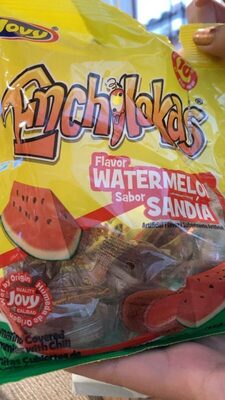
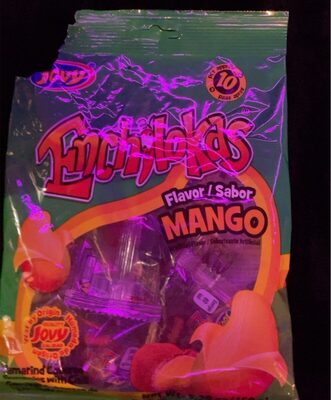
Foods that contain Sodium Benzoate And Silicon Dioxide
Compare products →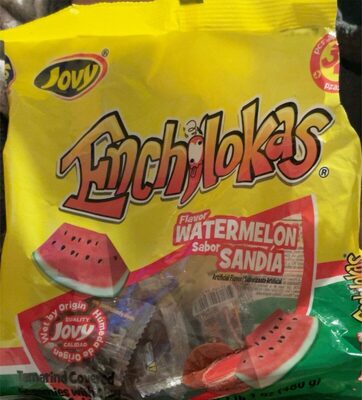
Auto-generated content. This description was generated automatically and is pending editorial review. Inaccuracies are possible. Found a mistake? Contact us.