Sodium Bicarbonate And Potassium Sorbate
Auto-generated content. This description was generated automatically and is pending editorial review. Inaccuracies are possible. Found a mistake? Contact us.
What it is
Sodium bicarbonate is a white crystalline powder, also known as baking soda. It is a salt of carbonic acid, commonly produced industrially. Potassium sorbate is the potassium salt of sorbic acid, a naturally occurring compound. It is manufactured by neutralizing sorbic acid with potassium hydroxide.
Why it's used
Sodium bicarbonate acts as a leavening agent in baked goods, producing carbon dioxide when heated or mixed with an acid. Potassium sorbate is a preservative that inhibits the growth of mold, yeast, and some bacteria, extending the shelf life of foods. They are often found together in products like baked goods, confectionery, and dairy products.
Health notes
Sodium bicarbonate is Generally Recognized As Safe (GRAS) by the FDA for use in food. Potassium sorbate is also approved by the FDA as a food additive. Both substances are widely consumed and generally considered safe at typical intake levels. International bodies like JECFA and EFSA have evaluated these ingredients. Some studies have explored potential effects of high doses, but evidence at typical dietary levels is not a cause for widespread concern.
Allergen info
Neither sodium bicarbonate nor potassium sorbate are derived from or are one of the 9 FDA major allergens. They do not contain gluten.
Products containing Sodium Bicarbonate And Potassium Sorbate
Compare products →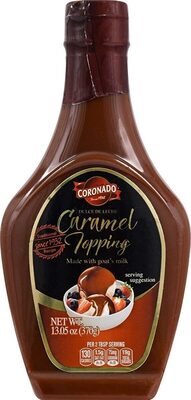 Bimbo Bakeries USA, Inc.
Cajeta Goat Milk Caramel Spread
375kcal
5Protein
8.8Fat
65Carbs
Bimbo Bakeries USA, Inc.
Cajeta Goat Milk Caramel Spread
375kcal
5Protein
8.8Fat
65Carbs
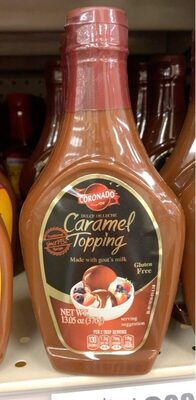 GS1 Mexico
Dulce De Leche Caramel Topping, Dulce De Leche
325kcal
5Protein
5Fat
67.5Carbs
The Father's Table LLC
Sea Salt Caramel Cheesecake
High in saturated fat — 60% DV per serving
High in cholesterol — 20% DV per serving
381kcal
4.4Protein
22.1Fat
40.7Carbs
GS1 Mexico
Dulce De Leche Caramel Topping, Dulce De Leche
325kcal
5Protein
5Fat
67.5Carbs
The Father's Table LLC
Sea Salt Caramel Cheesecake
High in saturated fat — 60% DV per serving
High in cholesterol — 20% DV per serving
381kcal
4.4Protein
22.1Fat
40.7Carbs