Sodium Inosinate And Disodium Guanylate
What is Sodium Inosinate And Disodium Guanylate?
Sodium inosinate and disodium guanylate are flavor enhancers. They are often produced commercially through the fermentation of sugars by specific microorganisms. These compounds are then purified and converted into their salt forms for use in food.
Is Sodium Inosinate And Disodium Guanylate gluten-free?
These ingredients are not derived from any of the 9 major allergens and do not contain gluten.
What is Sodium Inosinate And Disodium Guanylate used for?
These ingredients are used to boost savory (umami) flavors in foods, making them taste richer and more complex.
Is Sodium Inosinate And Disodium Guanylate safe?
Sodium inosinate and disodium guanylate are generally recognized as safe (GRAS) by the FDA when used as flavor enhancers.
Why it's used
These ingredients are used to boost savory (umami) flavors in foods, making them taste richer and more complex. They are commonly found in processed snacks like chips and pretzels, as well as in some baked goods and prepared meals.
Health notes
Sodium inosinate and disodium guanylate are generally recognized as safe (GRAS) by the FDA when used as flavor enhancers. They are often used in combination, as they work synergistically to provide a stronger umami taste. The Joint FAO/WHO Expert Committee on Food Additives (JECFA) has evaluated these substances and established acceptable daily intakes. Evidence does not suggest adverse health effects at typical consumption levels.
Allergen info
These ingredients are not derived from any of the 9 major allergens and do not contain gluten.
Foods that contain Sodium Inosinate And Disodium Guanylate
Compare products →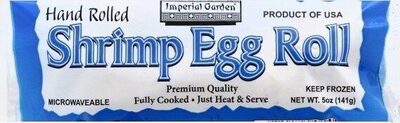
Learn more
Auto-generated content. This description was generated automatically and is pending editorial review. Inaccuracies are possible. Found a mistake? Contact us.