Sorbitols
What is Sorbitols?
Sorbitol is a sugar alcohol that occurs naturally in some fruits, like apples and pears. It is manufactured commercially by the hydrogenation of glucose, a type of sugar. It is about 60% as sweet as sucrose (table sugar) and has fewer calories.
Is Sorbitols vegan?
Sorbitols is not animal-derived. Products that contain it can still include other animal-derived ingredients, so check the full ingredient list.
Is Sorbitols gluten-free?
It does not contain gluten.
Is Sorbitols a major allergen?
Sorbitol is not derived from any of the nine FDA major allergens.
What is Sorbitols used for?
Sorbitol is used as a sugar substitute and humectant (a substance that helps retain moisture).
Is Sorbitols safe?
In the U.S., sorbitol is generally recognized as safe (GRAS) by the FDA for use as a food additive.
Why it's used
Sorbitol is used as a sugar substitute and humectant (a substance that helps retain moisture). It is often found in sugar-free candies, chewing gum, baked goods, and diet foods. It helps prevent products from drying out and adds bulk and texture.
Health notes
In the U.S., sorbitol is generally recognized as safe (GRAS) by the FDA for use as a food additive. It is not a major source of calories and does not significantly affect blood sugar levels. Consuming large amounts of sorbitol can have a laxative effect for some individuals. The Joint FAO/WHO Expert Committee on Food Additives (JECFA) has evaluated sorbitol, and the European Food Safety Authority (EFSA) has also assessed its safety.
Allergen info
Sorbitol is not derived from any of the nine FDA major allergens. It does not contain gluten.
Foods that contain Sorbitols
Compare products →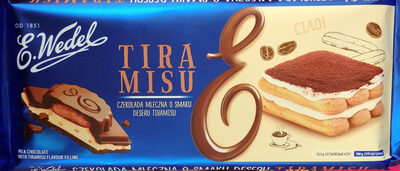
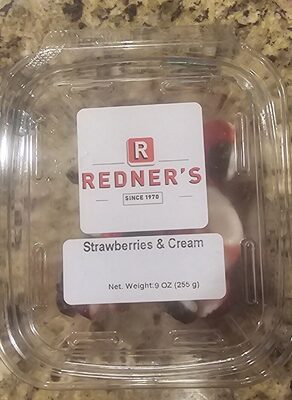 N/A
Strawberries & Cream
High in added sugars — 34% DV per serving
344kcal
6.2Protein
0Fat
78.1Carbs
Learn more
Auto-generated content. This description was generated automatically and is pending editorial review. Inaccuracies are possible. Found a mistake? Contact us.