Soy Flour & Caramel Color
What is Soy Flour & Caramel Color?
Soy flour is made from ground soybeans. It is a source of protein and fiber. Soy flour can be used as a base for gluten-free baking or as a thickener in sauces and soups.
Is Soy Flour & Caramel Color vegan?
Soy Flour & Caramel Color is not animal-derived. Products that contain it can still include other animal-derived ingredients, so check the full ingredient list.
Is Soy Flour & Caramel Color gluten-free?
It does not contain gluten.
Is Soy Flour & Caramel Color a major allergen?
Soy flour is derived from soy, which is one of the 9 FDA major allergens.
What is Soy Flour & Caramel Color used for?
Caramel color is a common food coloring used to give products a brown hue.
Is Soy Flour & Caramel Color safe?
Caramel color is generally recognized as safe (GRAS) by the FDA for use in food.
Why it's used
Caramel color is a common food coloring used to give products a brown hue. It is made by heating carbohydrates, often with acids or alkalis. It is frequently found in baked goods, beverages, and savory items like chili and stews.
Health notes
Caramel color is generally recognized as safe (GRAS) by the FDA for use in food. Some forms of caramel color can contain byproducts like 4-MEI, which has raised concerns, though regulatory bodies like the FDA and EFSA have evaluated caramel color and found it safe at typical consumption levels. JECFA has also evaluated caramel color. Evidence does not suggest adverse health effects from consuming caramel color at typical levels.
Allergen info
Soy flour is derived from soy, which is one of the 9 FDA major allergens. It does not contain gluten.
Foods that contain Soy Flour & Caramel Color
Compare products →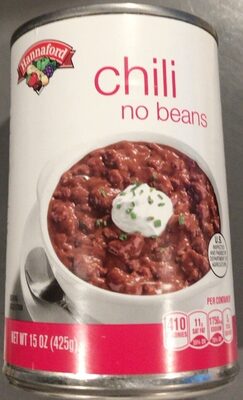 Hannaford Bros. Co.
Chili No Beans
High in sodium — 42% DV per serving
High in saturated fat — 30% DV per serving
54kcal
3.3Protein
2.8Fat
3.8Carbs
Hannaford Bros. Co.
Chili No Beans
High in sodium — 42% DV per serving
High in saturated fat — 30% DV per serving
54kcal
3.3Protein
2.8Fat
3.8Carbs
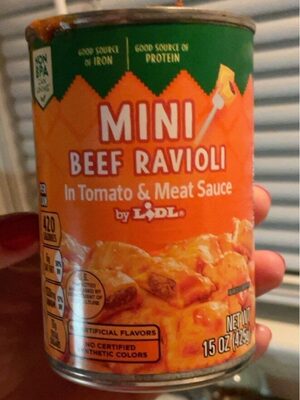 Learning Horizons
Mini Beef Ravioli In Tomato & Meat Sauce, Beef
High in sodium — 30% DV per serving
96kcal
3.3Protein
2.9Fat
13.8Carbs
Vietti Foods Company, Inc.
Beef Stew
High in sodium — 49% DV per serving
High in saturated fat — 50% DV per serving
140kcal
4.7Protein
9.3Fat
8.1Carbs
Learning Horizons
Mini Beef Ravioli In Tomato & Meat Sauce, Beef
High in sodium — 30% DV per serving
96kcal
3.3Protein
2.9Fat
13.8Carbs
Vietti Foods Company, Inc.
Beef Stew
High in sodium — 49% DV per serving
High in saturated fat — 50% DV per serving
140kcal
4.7Protein
9.3Fat
8.1Carbs
Learn more
Auto-generated content. This description was generated automatically and is pending editorial review. Inaccuracies are possible. Found a mistake? Contact us.