Soy Salice
What is Soy Salice?
Soy sauce is a savory liquid condiment made from fermented soybeans, wheat, salt, and water. The fermentation process involves mold and yeast, which break down the proteins in soybeans and wheat into amino acids and other flavor compounds. It is a staple in East Asian cuisine and has been produced for thousands of years.
Is Soy Salice vegan?
Soy Salice is not animal-derived. Products that contain it can still include other animal-derived ingredients, so check the full ingredient list.
Is Soy Salice gluten-free?
It also contains wheat, a source of gluten.
Is Soy Salice a major allergen?
Soy sauce is derived from soy, which is one of the 9 FDA major allergens.
What is Soy Salice used for?
Soy sauce is primarily used to add a salty, umami flavor to foods.
Is Soy Salice safe?
Soy sauce contains a significant amount of sodium, and high sodium intake is linked to increased blood pressure.
Why it's used
Soy sauce is primarily used to add a salty, umami flavor to foods. Manufacturers add it as a seasoning and flavoring agent in a wide variety of dishes, including marinades, stir-fries, soups, and sauces. It is also used as a dipping sauce for sushi, dumplings, and other appetizers.
Health notes
Soy sauce contains a significant amount of sodium, and high sodium intake is linked to increased blood pressure. The FDA sets a Daily Value for sodium at 2,300 mg per day. While generally recognized as safe (GRAS) by the FDA for its intended use, excessive consumption should be avoided. JECFA has evaluated soy sauce and established standards for its composition and quality.
Allergen info
Soy sauce is derived from soy, which is one of the 9 FDA major allergens. It also contains wheat, a source of gluten. Individuals with soy or wheat allergies, or celiac disease, should avoid soy sauce.
Foods that contain Soy Salice
Compare products →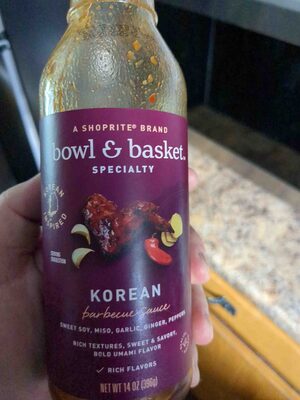 Wakefern Food Corporation
Specialty, Korean Barbecue Sauce, Korean
High in added sugars — 20% DV per serving
176kcal
2.9Protein
0Fat
38.2Carbs
Genji, Inc.
Shrimp Mango Fresh Roll, Shrimp Mango
High in sodium — 45% DV per serving
102kcal
3.3Protein
2.6Fat
17.7Carbs
Genji, Inc.
12Pc Cali Salad Roll Wr, Cali Salad
High in sodium — 44% DV per serving
169kcal
3.3Protein
6.6Fat
25.6Carbs
Publix Super Markets, Inc.
Marsala Chicken Meatballs With Root Veggies, Marsala Chicken
High in sodium — 51% DV per serving
High in saturated fat — 50% DV per serving
High in cholesterol — 35% DV per serving
131kcal
5.3Protein
7.4Fat
9.2Carbs
Wakefern Food Corporation
Specialty, Korean Barbecue Sauce, Korean
High in added sugars — 20% DV per serving
176kcal
2.9Protein
0Fat
38.2Carbs
Genji, Inc.
Shrimp Mango Fresh Roll, Shrimp Mango
High in sodium — 45% DV per serving
102kcal
3.3Protein
2.6Fat
17.7Carbs
Genji, Inc.
12Pc Cali Salad Roll Wr, Cali Salad
High in sodium — 44% DV per serving
169kcal
3.3Protein
6.6Fat
25.6Carbs
Publix Super Markets, Inc.
Marsala Chicken Meatballs With Root Veggies, Marsala Chicken
High in sodium — 51% DV per serving
High in saturated fat — 50% DV per serving
High in cholesterol — 35% DV per serving
131kcal
5.3Protein
7.4Fat
9.2Carbs
Learn more
Auto-generated content. This description was generated automatically and is pending editorial review. Inaccuracies are possible. Found a mistake? Contact us.