Spanish Smoked Paprika
What is Spanish Smoked Paprika?
Spanish smoked paprika is a spice made from peppers that are dried and then smoked over oak wood. The peppers are then ground into a powder. It has a deep red color and a smoky, slightly sweet flavor.
Is Spanish Smoked Paprika vegan?
Spanish Smoked Paprika is not animal-derived. Products that contain it can still include other animal-derived ingredients, so check the full ingredient list.
Is Spanish Smoked Paprika a major allergen?
Not a major allergen.
What is Spanish Smoked Paprika used for?
Manufacturers add Spanish smoked paprika primarily for its distinct smoky flavor and vibrant red color.
Is Spanish Smoked Paprika safe?
Spanish smoked paprika is generally recognized as safe (GRAS) by the FDA when used as a spice.
Why it's used
Manufacturers add Spanish smoked paprika primarily for its distinct smoky flavor and vibrant red color. It is used in a variety of savory dishes, including meats, stews, soups, and rubs. It is also found in some snack foods and spice blends.
Health notes
Spanish smoked paprika is generally recognized as safe (GRAS) by the FDA when used as a spice. It is a source of antioxidants, like Vitamin A and capsaicin, which are beneficial compounds found in peppers. Regulatory bodies like EFSA have evaluated paprika as a food ingredient. There are no widespread health concerns associated with typical consumption levels.
Allergen info
Not a major allergen. It is derived from peppers, which are not among the nine major allergens.
Foods that contain Spanish Smoked Paprika
Compare products →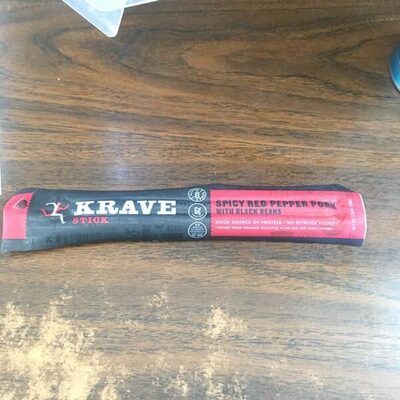 Double Peak, Inc.
Spicy Red Pepper Pork With Black Beans Stick, Spicy Red Pepper Pork With Black Beans
357kcal
21.4Protein
25Fat
14.3Carbs
Double Peak, Inc.
Spicy Red Pepper Pork With Black Beans Stick, Spicy Red Pepper Pork With Black Beans
357kcal
21.4Protein
25Fat
14.3Carbs
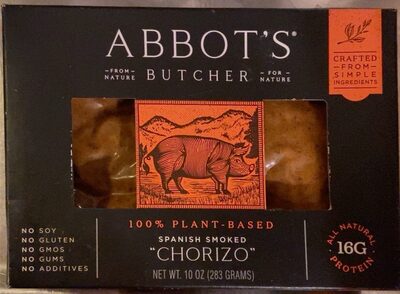 Abbots Butcher Inc.
Spanish Smoked Chorizo", Spanish Smoked
165kcal
18.8Protein
7.1Fat
5.9Carbs
Abbots Butcher Inc.
Spanish Smoked Chorizo", Spanish Smoked
165kcal
18.8Protein
7.1Fat
5.9Carbs
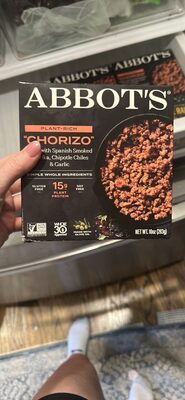 Abbots Butcher Inc.
Plant-Based "Chorizo"
High in sodium — 25% DV per serving
165kcal
17.6Protein
7.1Fat
7.1Carbs
Double Peak, Inc.
Spicy Red Pepper Pork With Black Beans Stick, Spicy Red Pepper Pork With Black Beans
357kcal
21.4Protein
25Fat
14.3Carbs
Abbots Butcher Inc.
Plant-Based "Chorizo"
High in sodium — 25% DV per serving
165kcal
17.6Protein
7.1Fat
7.1Carbs
Double Peak, Inc.
Spicy Red Pepper Pork With Black Beans Stick, Spicy Red Pepper Pork With Black Beans
357kcal
21.4Protein
25Fat
14.3Carbs
Learn more
Auto-generated content. This description was generated automatically and is pending editorial review. Inaccuracies are possible. Found a mistake? Contact us.