Spices And Herb
Auto-generated content. This description was generated automatically and is pending editorial review. Inaccuracies are possible. Found a mistake? Contact us.
What it is
Spices and herbs are aromatic or pungent plant parts used to flavor food. They can include seeds, fruits, roots, bark, or vegetative substances. These ingredients are typically dried and ground before being added to foods.
Why it's used
Manufacturers add spices and herbs to enhance or impart flavor to a wide variety of foods. They are commonly found in savory products like snacks, processed meats, sauces, and baked goods, as well as in some beverages and desserts.
Health notes
Spices and herbs are generally recognized as safe (GRAS) by the FDA when used for flavoring. Regulatory bodies like JECFA and EFSA have evaluated many individual spices and herbs, often finding them safe for consumption. While generally considered safe in typical food amounts, some individuals may experience sensitivities. Research into specific compounds within spices and herbs is ongoing, with some studies exploring potential antioxidant or anti-inflammatory properties, though evidence can be mixed and more research is often needed.
Allergen info
Spices and herbs are not among the nine major allergens. However, some spices can be derived from plants that are botanically related to major allergens (e.g., mustard seed is related to legumes). Gluten is not typically associated with spices and herbs unless cross-contamination occurs during processing.
Products containing Spices And Herb
Compare products →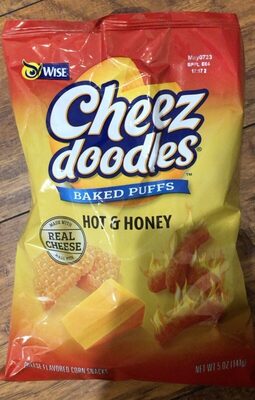 Wise Foods, Inc.
Hot 'N Honey Cheese Flavored Puffed Baked Corn Snacks, Hot 'N Honey Cheese
536kcal
3.6Protein
28.6Fat
64.3Carbs
Wise Foods, Inc.
Hot 'N Honey Cheese Flavored Puffed Baked Corn Snacks, Hot 'N Honey Cheese
536kcal
3.6Protein
28.6Fat
64.3Carbs
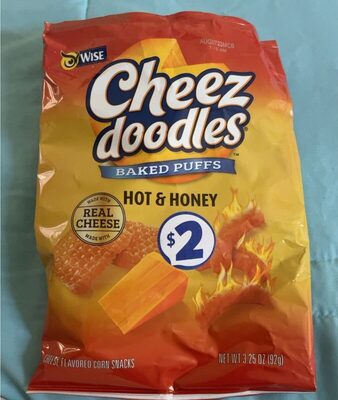 Baked Puffs Hot & Honey Cheese Flavored Corn Snacks
536kcal
3.6Protein
28.6Fat
64.3Carbs
Baked Puffs Hot & Honey Cheese Flavored Corn Snacks
536kcal
3.6Protein
28.6Fat
64.3Carbs
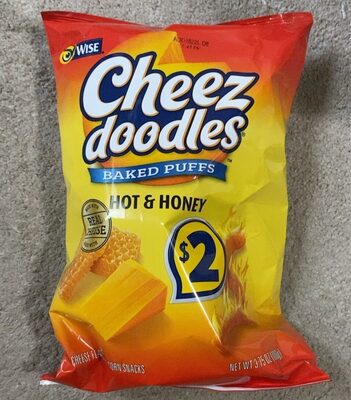 Wise Foods, Inc.
Hot & Honey Baked Puffs Cheese Flavored Corn Snacks, Cheese; Honey
536kcal
3.6Protein
28.6Fat
64.3Carbs
Wise Foods, Inc.
Hot & Honey Baked Puffs Cheese Flavored Corn Snacks, Cheese; Honey
536kcal
3.6Protein
28.6Fat
64.3Carbs
 Wise Foods, Inc.
Baked Puffs Hot & Honey Cheese Flavored Corn Snacks, Honey; Cheese
536kcal
3.6Protein
28.6Fat
64.3Carbs
Wise Foods, Inc.
Baked Puffs Hot & Honey Cheese Flavored Corn Snacks, Honey; Cheese
536kcal
3.6Protein
28.6Fat
64.3Carbs