Stabilizer: Sodium Alginate
Auto-generated content. This description was generated automatically and is pending editorial review. Inaccuracies are possible. Found a mistake? Contact us.
What it is
Sodium alginate is a salt derived from alginic acid, a natural polysaccharide found in brown seaweed. It is produced by reacting alginic acid with a sodium compound, typically sodium carbonate. This process transforms the seaweed extract into a soluble powder that can be used in food.
Why it's used
Sodium alginate acts as a thickener, stabilizer, and gelling agent. It helps to improve the texture and consistency of foods, preventing separation and creating a smooth mouthfeel. It is commonly found in products like pickles, olives, relishes, frozen foods, and dairy products.
Health notes
Sodium alginate is generally recognized as safe (GRAS) by the U.S. Food and Drug Administration (FDA). It is also approved for use in the European Union. International bodies like the Joint FAO/WHO Expert Committee on Food Additives (JECFA) and the European Food Safety Authority (EFSA) have evaluated sodium alginate and found it to be safe for consumption at typical levels. It is not known to cause adverse health effects in the general population when consumed in amounts typically found in food.
Allergen info
Sodium alginate is derived from seaweed and is not one of the FDA's nine major allergens. It does not contain gluten.
Products containing Stabilizer: Sodium Alginate
Compare products →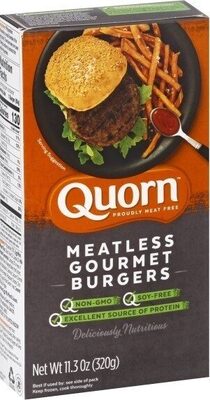 Quorn Foods Inc.
Gourmet Burgers
138kcal
11.2Protein
6.2Fat
11.2Carbs
Fiber Resources, Inc.
Green Olives Stuffed With Hot Chili, Hot Chili
100kcal
0Protein
10Fat
6.7Carbs
Quorn Foods Inc.
Gourmet Burgers
138kcal
11.2Protein
6.2Fat
11.2Carbs
Fiber Resources, Inc.
Green Olives Stuffed With Hot Chili, Hot Chili
100kcal
0Protein
10Fat
6.7Carbs