Stevia And Monk Fruit Extract
What is Stevia And Monk Fruit Extract?
Stevia extract comes from the leaves of the Stevia rebaudiana plant, native to South America. Monk fruit extract comes from the monk fruit, a small, round fruit grown in Southeast Asia. Both are purified to create high-intensity sweeteners that are many times sweeter than sugar.
Is Stevia And Monk Fruit Extract vegan?
Stevia And Monk Fruit Extract is not animal-derived. Products that contain it can still include other animal-derived ingredients, so check the full ingredient list.
Is Stevia And Monk Fruit Extract gluten-free?
Stevia and monk fruit extracts are not derived from any of the nine FDA major allergens and do not contain gluten.
What is Stevia And Monk Fruit Extract used for?
These extracts are used as low-calorie or zero-calorie sweeteners in a wide variety of food and beverage products.
Is Stevia And Monk Fruit Extract safe?
Steviol glycosides from stevia and mogrosides from monk fruit are generally recognized as safe (GRAS) by the FDA for use as sweeteners.
Why it's used
These extracts are used as low-calorie or zero-calorie sweeteners in a wide variety of food and beverage products. Manufacturers add them to reduce sugar and calorie content while maintaining sweetness. They are commonly found in diet sodas, yogurts, baked goods, and tabletop sweeteners.
Health notes
Steviol glycosides from stevia and mogrosides from monk fruit are generally recognized as safe (GRAS) by the FDA for use as sweeteners. Both the Joint FAO/WHO Expert Committee on Food Additives (JECFA) and the European Food Safety Authority (EFSA) have evaluated these sweeteners and established acceptable daily intakes. While generally considered safe, some individuals report mild digestive upset at very high intakes.
Allergen info
Stevia and monk fruit extracts are not derived from any of the nine FDA major allergens and do not contain gluten.
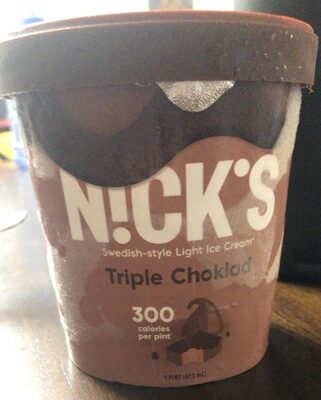
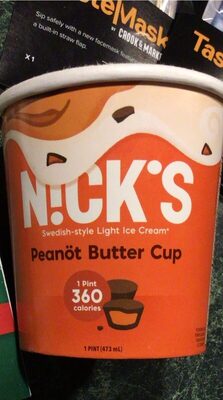
Foods that contain Stevia And Monk Fruit Extract
Compare products →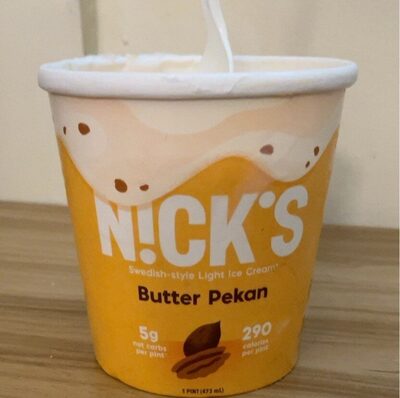
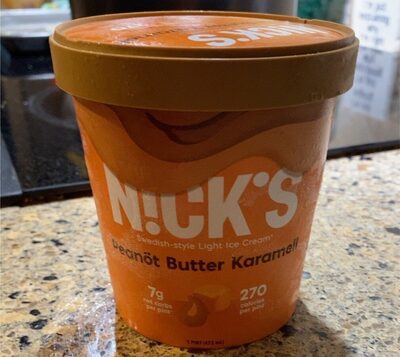
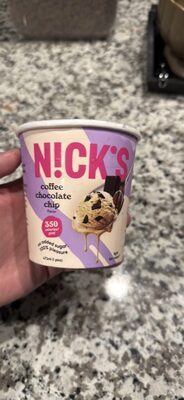
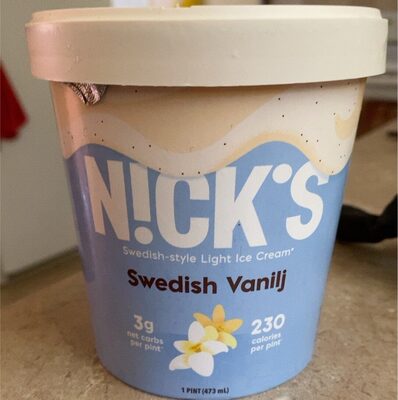
Learn more
Auto-generated content. This description was generated automatically and is pending editorial review. Inaccuracies are possible. Found a mistake? Contact us.