Strained Tomatoes
What is Strained Tomatoes?
Strained tomatoes are tomatoes that have been cooked, strained to remove skins and seeds, and then often reduced to a thicker consistency. This process concentrates the tomato flavor and creates a smooth texture. They are made from ripe tomatoes, typically varieties like Roma or San Marzano.
Is Strained Tomatoes vegan?
Strained Tomatoes is not animal-derived. Products that contain it can still include other animal-derived ingredients, so check the full ingredient list.
Is Strained Tomatoes a major allergen?
Not a major allergen.
What is Strained Tomatoes used for?
Manufacturers use strained tomatoes as a base for sauces, soups, and other tomato-based products.
Is Strained Tomatoes safe?
Strained tomatoes are considered a food ingredient and are generally recognized as safe (GRAS) by the FDA.
Why it's used
Manufacturers use strained tomatoes as a base for sauces, soups, and other tomato-based products. Their smooth texture and intense tomato flavor make them ideal for providing a rich and consistent base in prepared pasta sauces, pizza sauces, and canned soups.
Health notes
Strained tomatoes are considered a food ingredient and are generally recognized as safe (GRAS) by the FDA. They are a source of vitamins and antioxidants like lycopene. International bodies like JECFA have evaluated tomatoes and tomato products, and EFSA has evaluated lycopene. Typical consumption as part of a balanced diet is not associated with adverse health effects.
Allergen info
Not a major allergen. Tomatoes are not among the nine major allergens identified by the FDA.
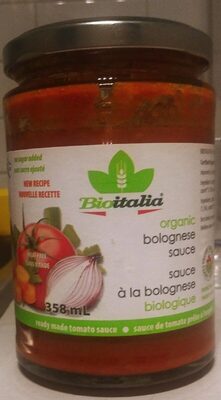
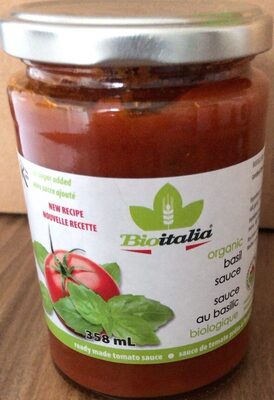
Foods that contain Strained Tomatoes
Compare products →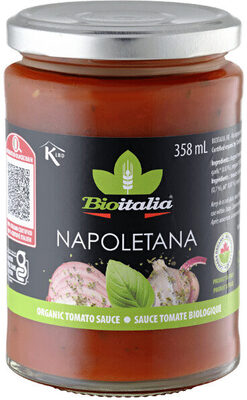
Auto-generated content. This description was generated automatically and is pending editorial review. Inaccuracies are possible. Found a mistake? Contact us.