Sugar High Fructose Corn Syrup
What is Sugar High Fructose Corn Syrup?
Sugar, also known as sucrose, is a sweet carbohydrate typically extracted from sugarcane or sugar beets. High-fructose corn syrup (HFCS) is a liquid sweetener made from corn starch that has been processed to convert some of its glucose into fructose.
Is Sugar High Fructose Corn Syrup vegan?
Sugar High Fructose Corn Syrup is not animal-derived. Products that contain it can still include other animal-derived ingredients, so check the full ingredient list.
Is Sugar High Fructose Corn Syrup a major allergen?
Not a major allergen.
What is Sugar High Fructose Corn Syrup used for?
Both sugar and high-fructose corn syrup are used as sweeteners in a wide range of foods and beverages.
Is Sugar High Fructose Corn Syrup safe?
Both sugar and high-fructose corn syrup are generally recognized as safe (GRAS) by the FDA.
Why it's used
Both sugar and high-fructose corn syrup are used as sweeteners in a wide range of foods and beverages. They also contribute to the texture, bulk, and browning of baked goods, and can act as preservatives in jams and jellies. They are frequently found in sodas, candies, baked goods, and processed snacks.
Health notes
Both sugar and high-fructose corn syrup are generally recognized as safe (GRAS) by the FDA. They are sources of added sugars, which contribute calories to the diet. The 2025-2030 Dietary Guidelines for Americans recommend consuming no amount of added sugars, and at most 10 grams per meal. Excessive intake of added sugars from any source is associated with increased risk of various health conditions. Scientific bodies like JECFA have evaluated the components of both sugar and high-fructose corn syrup, and their metabolism in the body is considered very similar; the primary health concern is the total amount of added sugars consumed, rather than the specific source.
Allergen info
Not a major allergen.
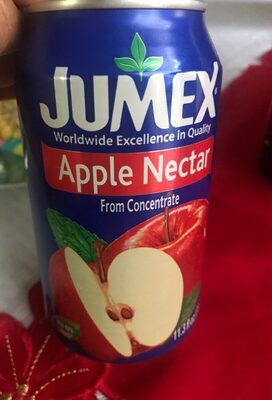
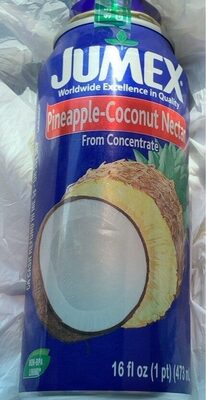
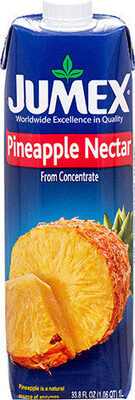
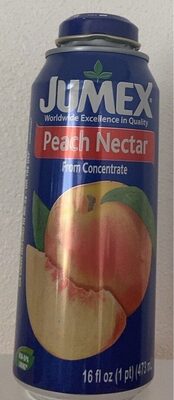
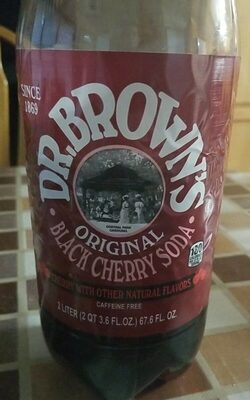
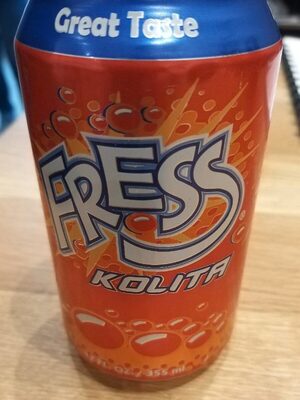
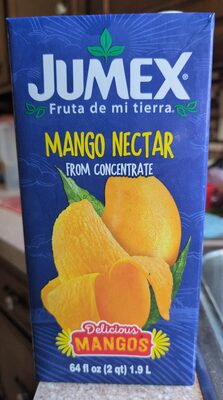
Foods that contain Sugar High Fructose Corn Syrup
Compare products →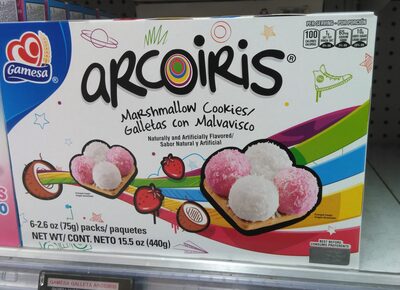
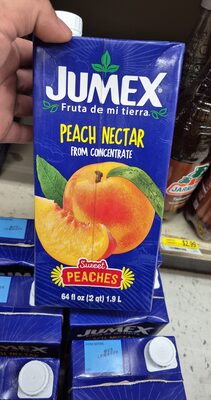
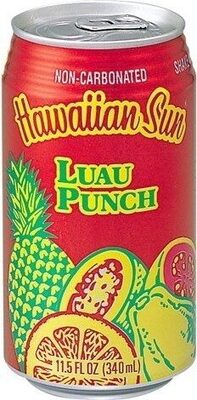
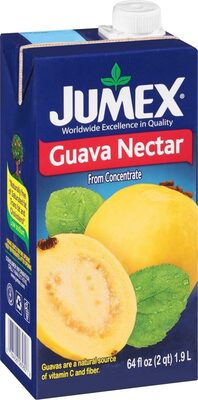
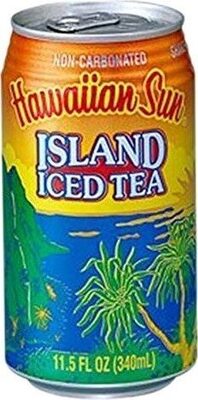
Learn more
Auto-generated content. This description was generated automatically and is pending editorial review. Inaccuracies are possible. Found a mistake? Contact us.