Sugar Topping: Sugar
Auto-generated content. This description was generated automatically and is pending editorial review. Inaccuracies are possible. Found a mistake? Contact us.
What it is
Sugar is a common name for sucrose, a sweet-tasting, crystalline carbohydrate. It is primarily obtained from plants like sugarcane or sugar beets, where it is extracted and then refined into the product we commonly use.
Why it's used
Manufacturers primarily add sugar to foods and beverages as a sweetener. It also contributes to texture, provides bulk, and can act as a preservative in certain products like jams. It is commonly found in baked goods, desserts, candies, and sweetened beverages.
Health notes
In the United States, sugar (sucrose) is generally recognized as safe (GRAS) by the FDA. The 2025-2030 Dietary Guidelines for Americans recommend no amount of added sugars, and at most 10 grams of added sugars per meal. The World Health Organization advises that free sugars should account for less than 10% of total energy intake. JECFA has evaluated sugar. While sugar provides energy, high intake of added sugars is associated with various health concerns.
Allergen info
Sugar is not considered one of the nine major food allergens identified by the FDA.
Products containing Sugar Topping: Sugar
Compare products →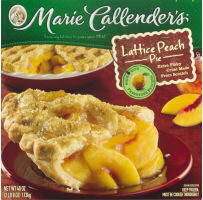 Conagra Brands
Marie Callender's Frozen Pie Dessert, Lattice Peach, 40 Ounce, 40 OZ
High in saturated fat — 35% DV per serving
294kcal
2.4Protein
14.3Fat
38.1Carbs
Conagra Brands
MARIE CALLENDERS Lattice Apple Pie, 46 OZ
262kcal
2.3Protein
12.3Fat
35.4Carbs
Conagra Brands
CLAIM JUMPER Lattice Apple Pie
262kcal
2.3Protein
12.3Fat
35.4Carbs
Conagra Brands
Marie Callender's Frozen Pie Dessert, Lattice Cherry, 40 Ounce
High in saturated fat — 30% DV per serving
302kcal
2.4Protein
12.7Fat
44.4Carbs
Conagra Brands Inc
CLAIM JUMPER Lattice Peach Pie, 40 OZ
High in saturated fat — 35% DV per serving
294kcal
2.4Protein
14.3Fat
38.1Carbs
Conagra Brands
Marie Callender's Frozen Pie Dessert, Lattice Peach, 40 Ounce, 40 OZ
High in saturated fat — 35% DV per serving
294kcal
2.4Protein
14.3Fat
38.1Carbs
Conagra Brands
MARIE CALLENDERS Lattice Apple Pie, 46 OZ
262kcal
2.3Protein
12.3Fat
35.4Carbs
Conagra Brands
CLAIM JUMPER Lattice Apple Pie
262kcal
2.3Protein
12.3Fat
35.4Carbs
Conagra Brands
Marie Callender's Frozen Pie Dessert, Lattice Cherry, 40 Ounce
High in saturated fat — 30% DV per serving
302kcal
2.4Protein
12.7Fat
44.4Carbs
Conagra Brands Inc
CLAIM JUMPER Lattice Peach Pie, 40 OZ
High in saturated fat — 35% DV per serving
294kcal
2.4Protein
14.3Fat
38.1Carbs